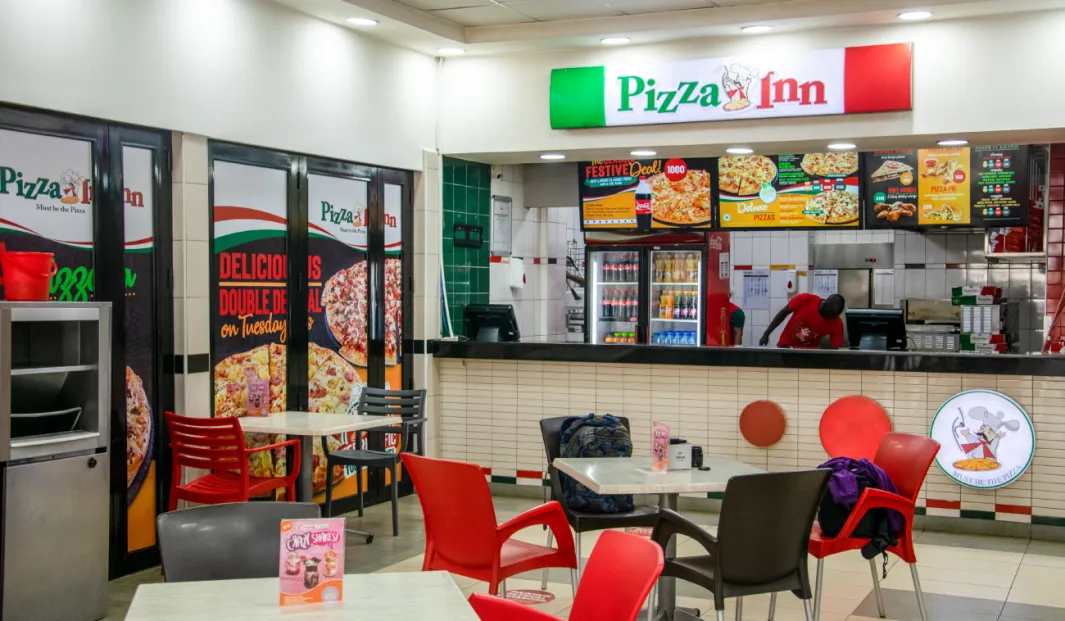
Simbisa Brands, the Zimbabwean conglomerate operating fast-food chains such as Pizza Inn and Chicken Inn, has completed the acquisition of the remaining 25% stake in Kutuma Kenya. According to TechCabal, the transaction valued the minority interest at KES 85.8 million, or approximately $663,882, based on the group’s annual accounts. This purchase grants Simbisa full ownership of the delivery entity, which previously held a 75% shareholding at the end of the prior fiscal year.
The strategic shift aligns with the growing importance of home delivery to Simbisa’s revenue in Kenya, where it operates 257 outlets. TechCabal reported that delivery channels now account for 27.4% of the group’s Kenyan turnover, a significant increase from 21.7% in the previous year. In contrast, the equivalent share in Zimbabwe, where Simbisa manages 352 outlets, stood at 5.1%. The company completed 3.23 million deliveries in Kenya during the year to June, up from 2.03 million the prior year, indicating a 59% increase in delivery orders.
With full control of Kutuma, Simbisa intends to leverage the platform’s existing services, including Dial a Delivery, Yum, and Swyft, to build a broader marketplace. TechCabal noted that while Simbisa’s own restaurants provide a guaranteed base of orders, the company aims to attract independent restaurants and grocery stores to the platform. This approach allows the group to distribute delivery costs across a larger volume of orders, keeping its rider network more active. The strategy positions Kutuma to compete with established apps such as Glovo, Uber Eats, and Bolt Food in the Nairobi market.
The expansion comes as the Kenyan delivery landscape evolves, particularly following the exit of Jumia Food in December 2023. A 2024 study by the Competition Authority of Kenya found that approximately 85% of surveyed retailers did not have exclusive agreements with delivery platforms, leaving them open to listing on multiple apps. Simbisa stated that it utilized pricing and promotions to navigate intensifying competition and pressure on household budgets. Despite a 3% decline in average spending in dollar terms, customer volumes rose sufficiently to lift Kenyan revenue by 11% and operating profit by 16%. The group plans to continue investing in digital ordering and delivery infrastructure where returns are deemed sufficient.