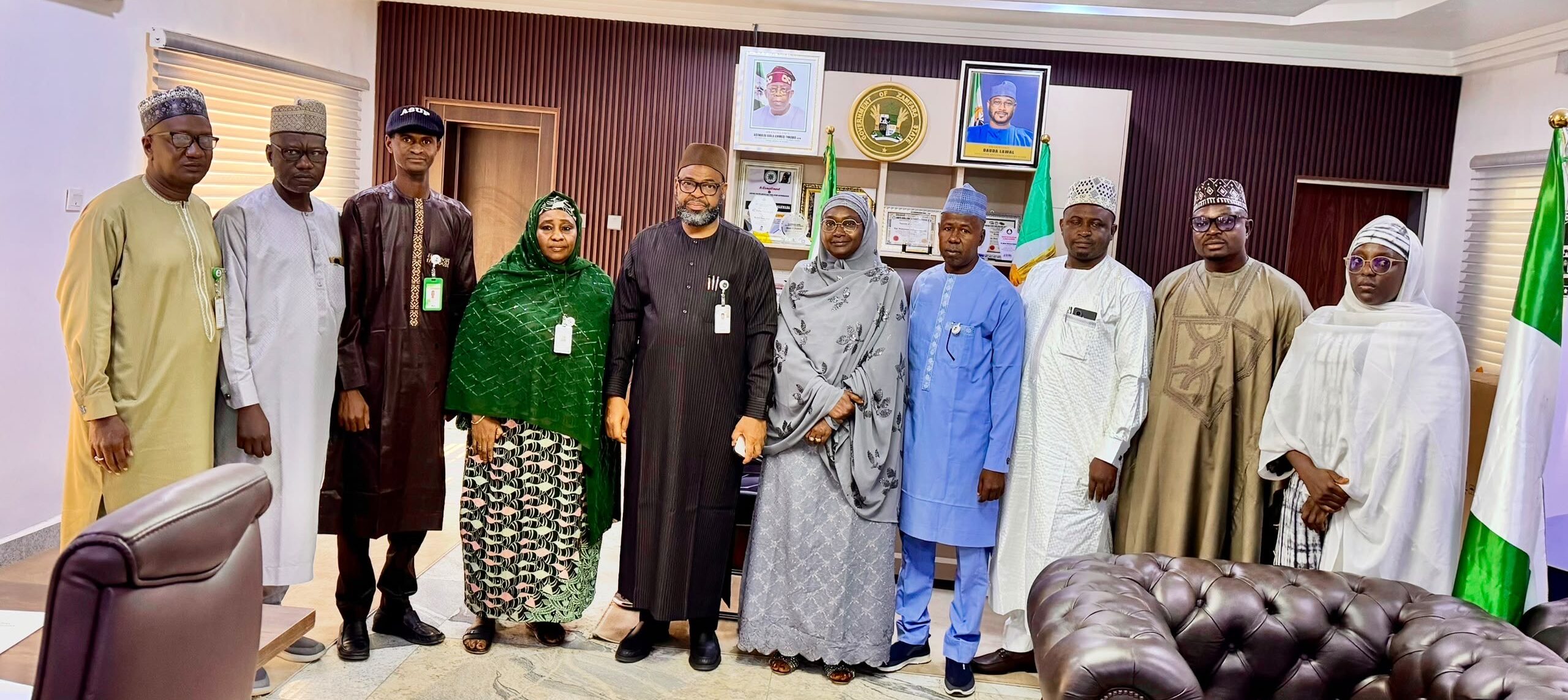
The Zamfara State Government has established a dedicated committee to examine the implementation of revised salary structures and resolve outstanding welfare concerns for employees in state-owned tertiary institutions. According to Premium Times, the panel’s mandate includes reviewing relevant government directives and assessing the financial requirements needed to address these issues. This move follows sustained pressure from staff representatives regarding pay, allowances, and promotion benefits, which have created significant industrial friction within the education sector.
Abubakar Mohammad Nakwada, the Secretary to the State Government, chairs the committee and led its first meeting in Gusau. Premium Times reported that Nakwada highlighted the administration’s dedication to industrial harmony and educational development. He pointed to previous administrative actions, such as raising the minimum wage from N7,000 to N70,000 and settling backlog gratuities, as proof of the government’s support for workers. "He further emphasised that Governor Lawal has proven," Nakwada stated, according to Premium Times, referencing the governor’s broader welfare commitments.
The committee brings together key state officials, including commissioners responsible for finance, education, science and technology, local government, chieftaincy affairs, and budget planning. It also includes the special adviser on economic and financial matters, the permanent secretary for education, and representatives from the Forum of Zamfara State Tertiary Institutions, the Nigeria Labour Congress state chapter, and Zamfara State University. This broad composition is intended to ensure comprehensive consultations with all affected parties.
Nakwada urged unions to allow the committee to complete its work, cautioning that strikes would be detrimental. "Mr Nakwada further appealed for patience and understanding," Premium Times quoted him as saying, as the government addresses these concerns deliberately. He assured staff that their plight is recognized but emphasized the need for affordable and just solutions that respect the state’s financial constraints. The panel’s recommendations are expected to foster industrial peace and enhance educational quality in the state.