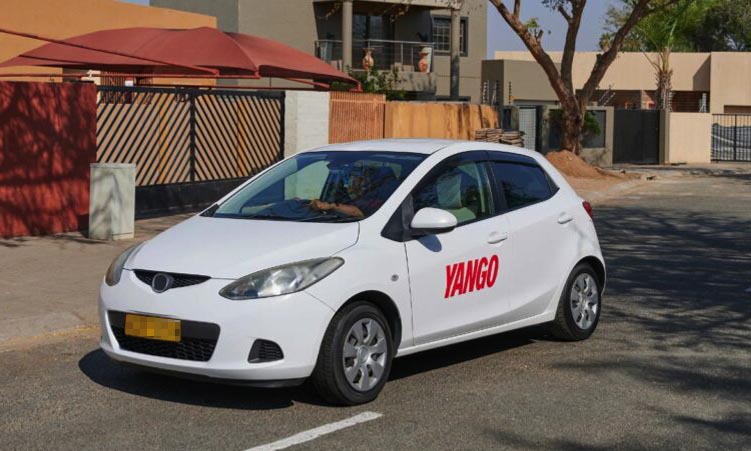
Yango, a ride-hailing operator in Windhoek, asserts that its local drivers take home an average of N$15,470 per week after commission. The Namibian reported that the platform attributes this amount to a 15.7% year-on-year growth in earnings and claims its hourly rates exceed those of similar jobs by 23%. The company noted it raised fares by 5% in March to offset rising fuel and compliance costs, while also offering subsidies and incentive programs to boost driver income.
Drivers in the capital, however, challenge these figures. James Amunyela, a Yango partner, told The Namibian that his maximum weekly gross pay is N$6,000 when he works seven days a week. After platform deductions, he said his net income falls to roughly N$3,000. He added that his lowest weekly take-home pay can drop to around N$1,000. Werner Andima, another driver, argued that achieving the company’s claimed average would require working from 07:00 to 19:00 daily, a schedule he finds difficult given current fuel prices. Andima typically earns between N$700 and N$800 per day, with earnings reaching approximately N$1,300 at month-end.
The debate follows a recent protest by Windhoek drivers who complained about fare structures, penalties, and a lack of protection. David Shonyeka noted that the group feels their issues receive less attention than customer complaints. Warren Isaaks, who has driven for Yango since 2024, highlighted problems with pickup and drop-off zones where stopping is restricted. He said he has collected N$2,500 in traffic fines over the past year, including penalties for phone use and improper parking. Yango explained that its pricing model uses a pickup fee plus per-kilometre and per-minute charges, with traffic and demand influencing final costs. The company did not clarify whether the reported weekly figures account for drivers’ own fuel, vehicle rental, and maintenance expenses beyond the platform’s commission.