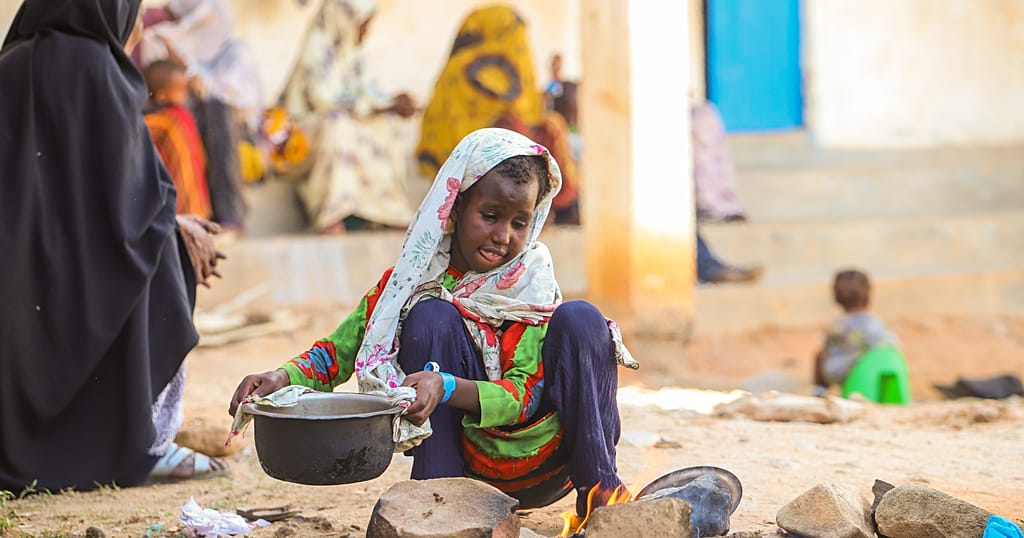
Residents from the Ethiopian town of Moyale have crossed into the Kenyan border town of the same name to escape recent fighting. Africanews reported that the unrest stems from a persistent boundary disagreement between Ethiopia’s Oromia and Somali regional governments. The conflict monitoring group ACLED identified an October 18 clash over a local office and a flag in a contested zone as the trigger for the latest wave of movement. Displaced families are now residing in temporary shelters or with local Kenyan residents, trying to restore normal routines while awaiting external support.
Women and children have borne the heaviest burden of the displacement. Africanews described the situation for mothers such as Shukria Dalacha, who is focused on securing enough milk for her infant. Dalacha explained that her family arrived on foot late at night with minimal belongings, lacking bedding and steady income. Similarly, seventy-year-old Kerko Mohammed is lodging with a Kenyan family after hearing gunfire near her home. Although local generosity provided initial relief, these host households are finding their limited resources increasingly strained as arrivals continue.
Henok Ochalla, a senior coordinator for the U.N. refugee agency, noted that pregnant women, nursing mothers, and young children face the greatest risks. His team currently provides three daily meals and distributes blankets, sleeping mats, water containers, and mosquito nets at displacement sites. Ochalla warned that shrinking financial reserves could hinder the agency's response if the influx grows, leading them to seek additional donor funding to meet expanding needs.
By November 6, UNHCR had recorded details for approximately 14,000 people to assess their specific requirements. Africanews clarified that this number reflects an ongoing registration process rather than a final count of all those who entered Kenya. Aid workers continue to assist families as they register and share meals at the temporary camps.