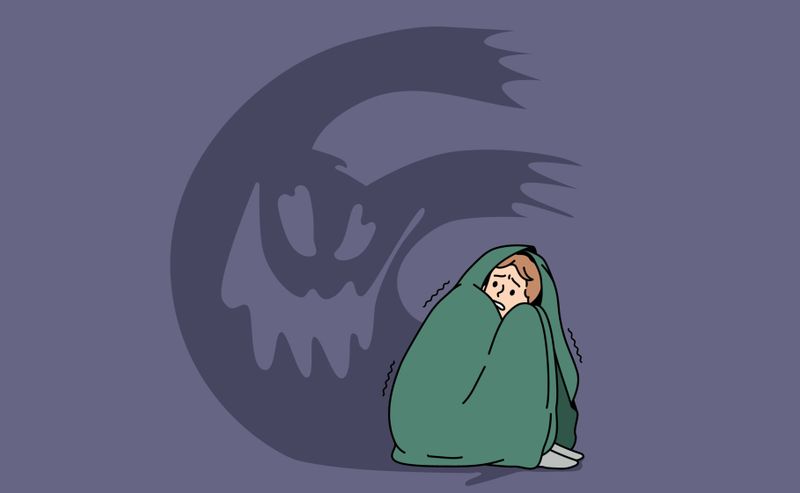
Nightmares are a widespread phenomenon, affecting at least 70% of adults, according to a report by Daily Maverick. The publication suggests the actual figure may be higher, noting that 80% of remembered dreams contain negative emotions. For a smaller segment, these disturbances become frequent. Between 2% and 5% of people suffer from nightmares more than once a week, a condition classified as nightmare disorder.
The report distinguishes three types of bad dreams. A bad dream, or anxiety dream, carries negative content but does not typically cause waking. A nightmare is so distressing it forces the sleeper to wake, usually occurring during rapid eye movement sleep in the second half of the night. A third category, the sleep terror, happens in the first half of the night. These involve intense fear and movement, often leaving the individual disoriented. Daily Maverick reports that sleep terrors are much more common in children.
The reasons for dreaming remain under research with no consensus. The article suggests dreams aid learning and cognitive maintenance. One theory, threat simulation, posits that bad dreams allow the brain to rehearse responses to negative experiences. This may help individuals understand past events or prepare for future threats. The report indicates a spillover effect from waking life, biasing dream content toward the unpleasant.
Several factors exacerbate nightmare frequency. Individuals with anxious personalities are more predisposed. Traumatic events and acute stress can trigger episodes, as can psychiatric disorders like depression. The use of specific drugs has also been linked to increased nightmare frequency. Daily Maverick notes that medical providers rarely ask about nightmares, which may prevent patients from seeking help.
The leading treatment is image rehearsal therapy. This approach operates on the premise that recurring nightmares are learned patterns. The therapy involves rehearsing a modified, positive version of the dream while awake. By consistently practicing this new narrative, the brain forms a new neural pathway, breaking the old loop. The report emphasizes this method works when applied deliberately.