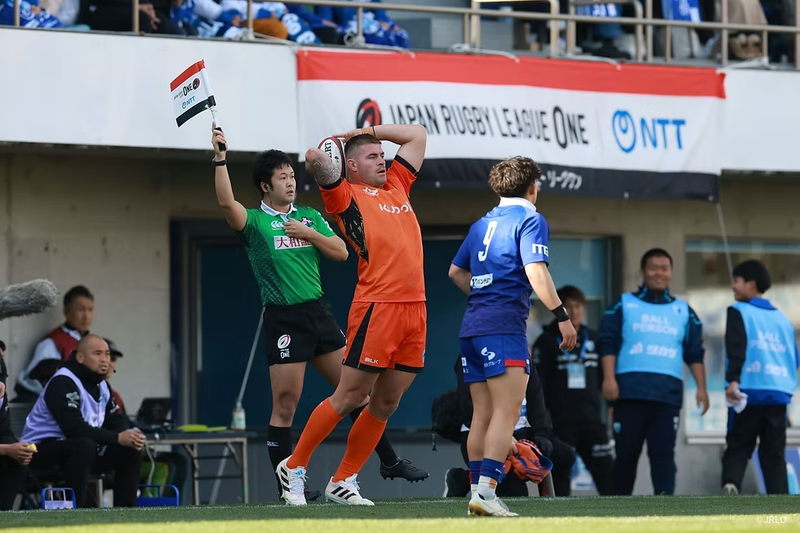
Five South African rugby players who won the World Cup are returning from Japan to join domestic franchises, a move that will see them accept significant salary reductions in exchange for commercial opportunities and the chance to settle their families. According to Daily Maverick, Malcolm Marx and Kwagga Smith have committed to the Bulls for the upcoming season, while Manie Libbok has signed with the Sharks. Additionally, Pieter-Steph du Toit and Damian de Allende are considering returns to the Western Cape, potentially playing for the Boland Kavaliers in the 2027 SA Cup before rejoining the Stormers.
The financial reality of the return is stark. Daily Maverick reports that these decorated veterans will take salary cuts of at least 50% compared to their earnings in Japan. However, the publication notes that the players stand to earn as much as R10-million more by aligning with local sponsors and attending corporate events in person. This commercial potential is linked to the continued success of the Springboks, who have won back-to-back World Cups and a British & Irish Lions series since Rassie Erasmus became coach in 2018.
The decision to return is also driven by personal factors. Marx, Smith, du Toit, and De Allende are all 33 or older, and Daily Maverick suggests they are looking to settle their young families in South Africa as they near the end of their careers. The Bulls have struck a bold direction under head coach Johan Ackermann, a former mentor to Marx and Smith, and their addition is expected to amplify the franchise's attacking strategy. Libbok, who played in Japan’s second division, will work with younger flyhalves at the Sharks, including Vusi Moyo and Gianni Lombard.
While the return of these six players is significant, the exodus to overseas leagues continues. Daily Maverick highlights that nine Springboks remain in Japan, with five more in France and two each in England and Ireland. Players like Aphelele Fassi and Kurt-Lee Arendse, aged between 28 and 30, left for overseas opportunities last season. The publication attributes this ongoing movement to the socioeconomic situation in South Africa and the fact that local franchises cannot match the financial offers available abroad. Furthermore, the schedule in Japan is seen as more forgiving, offering players a definitive off-season and better welfare compared to the demanding calendar in Europe and South Africa.