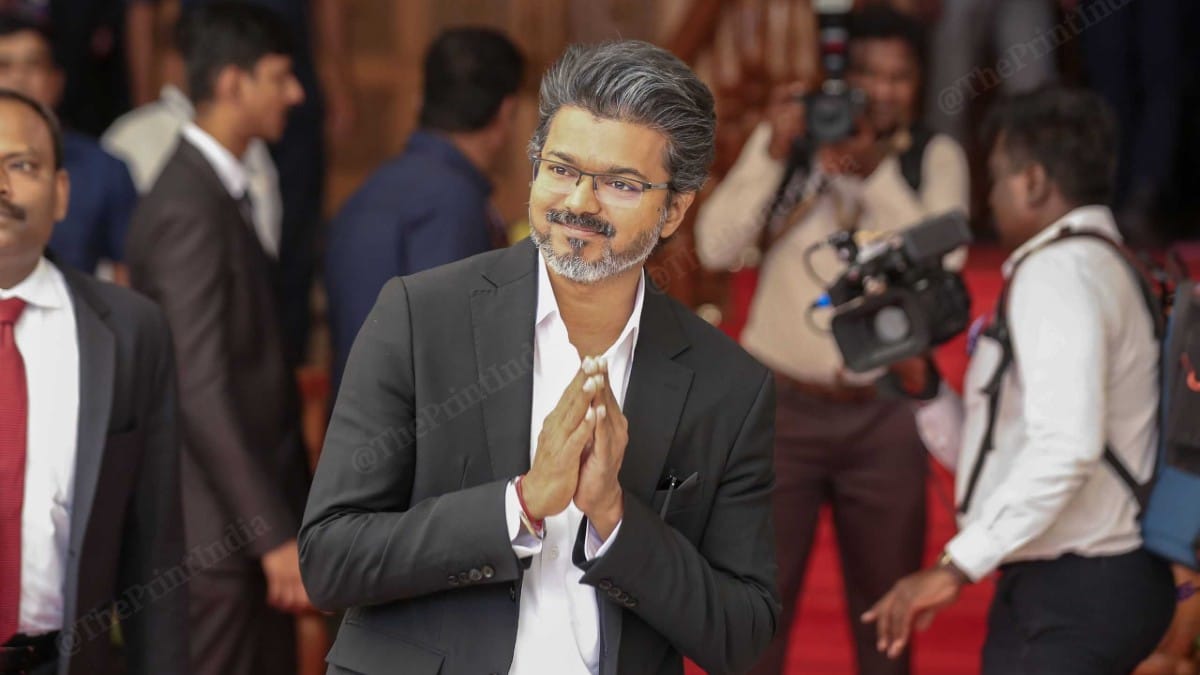
Tamil Nadu Chief Minister C. Joseph Vijay gathered all Tamilaga Vettri Kazhagam (TVK) assembly members at a Mahabalipuram resort on Wednesday, according to ThePrint. The session coincided with the TVK-led administration completing half a year in power while opposition parties intensified scrutiny of legislative behavior. ThePrint noted that Vijay examined internal inquiry documents and issued specific instructions regarding constituency discipline and ethical standards during the closed-door session.
ThePrint identified two specific incidents that prompted the gathering. Deputy Speaker M. Ravi Shankar drew criticism after footage emerged showing him physically confronting Karthik Kumar, a local resident who had raised complaints about water supply and waste management. Kumar later claimed he was pressured into recording a denial video. Separately, Kallakurichi representative C. Arul Vignesh faced claims regarding informal digital communication with District Collector J.E. Padmaja. Vignesh dismissed these claims as rumors and "dirty politics," a point emphasized by DMK leader K. Kanimozhi, who argued that member behavior had become a significant state-wide concern.
During the session, Vijay urged his legislators to avoid opposition traps and monitor their public remarks carefully. ThePrint reported that the Chief Minister personally documented constituency work details and declared that local performance would determine future candidate selection. He promised direct access for personal party issues and warned that strict measures would follow any criminal conduct by members. ThePrint also recalled an earlier June incident involving Srivaikuntam MLA G. Saravanan, where a worker alleged two functionaries used his name to secure a job before a compromise was brokered. Opposition figures including Udhayanidhi Stalin and Edappadi K. Palaniswami had demanded his removal, though the case stalled.
The meeting concluded with one-on-one reviews of party functioning. As part of Diwali festivities, ThePrint stated that traditional silk garments, including dhotis, shirts, and sarees, were handed out to the attendees.