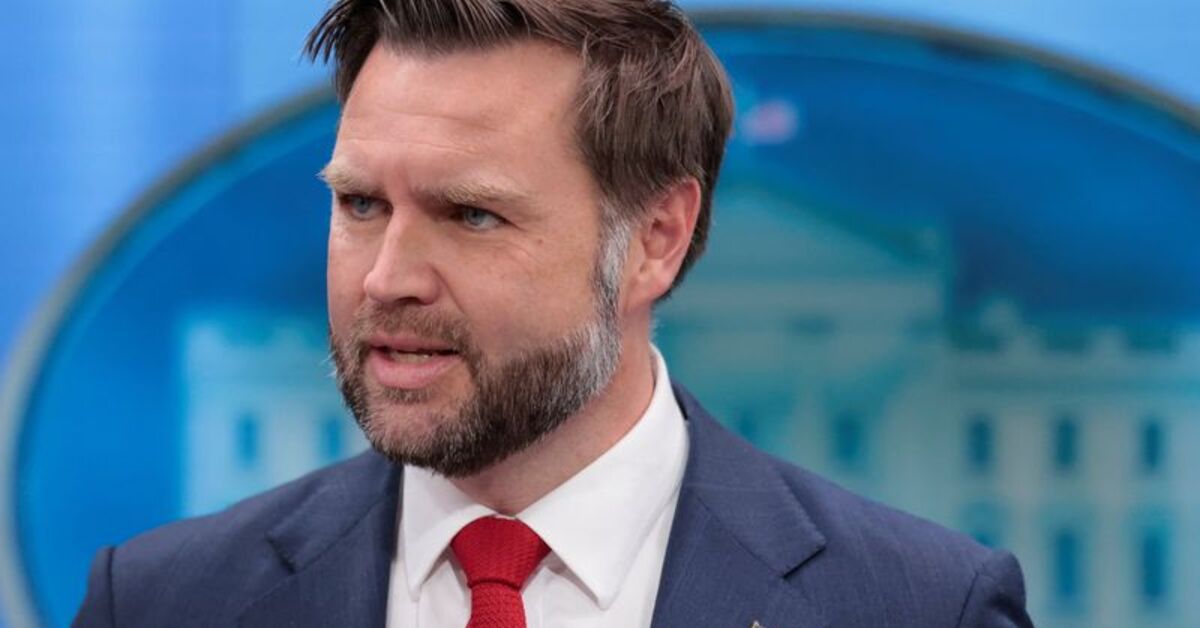
US Vice President JD Vance declined to confirm on Friday whether he would have authorized military strikes on Iran to prevent the development of a nuclear weapon. Speaking at a White House press conference alongside President Donald Trump, Vance avoided answering the question directly. According to Al-Monitor, Vance stated that the decision to attack Iran in February was made by the president, and his duty is to support those decisions. This response came as Trump pressed him to explicitly acknowledge that the strikes were necessary and that he would make the same choice again.
The exchange highlights the complex political positioning Vance must navigate following the recent midterm elections. In a post on social media, Vance attributed the Republican Party’s historic losses in Congress to the ongoing conflict with Iran. He wrote that the war was the primary reason for the defeat, challenging supporters to argue that losing the Senate for six years was a worthwhile cost. Trump responded by stating that while employees have a right to their opinions, he maintains that the strikes were essential given the nature of the Iranian leadership. Trump described the Iranians as "crazy," suggesting the threat justified the military action despite the political backlash.
Vance has historically been a critic of the war, serving as Washington’s primary emissary for peace negotiations. He brokered a provisional truce over the summer, though it collapsed quickly. In recent weeks, Vance sent personal correspondence to hardliners in Tehran to restart talks. However, Trump abruptly cancelled these engagements shortly after Vance published his assessment of the election results. Trump declared on social media that the era of seeking a deal with Iran had ended, directing Vance to focus on domestic policy instead.
The press conference also touched on Trump’s recent diplomatic trip to Asia, where he met with Chinese President Xi Jinping and Russian President Vladimir Putin. Trump faced criticism for the warm greetings exchanged with both leaders, including hugging Xi and calling Putin a friend. White House officials defended the meetings as a display of mature statesmanship and global strength. Vance, who remained in Washington during the trip, supported the mission publicly. He described the experience of staying behind as akin to the 1990 film "Home Alone" and praised the potential of diplomacy. Despite his support for the trip, Vance’s refusal to endorse the Iran strikes underscores internal tensions within the administration regarding foreign policy strategy.