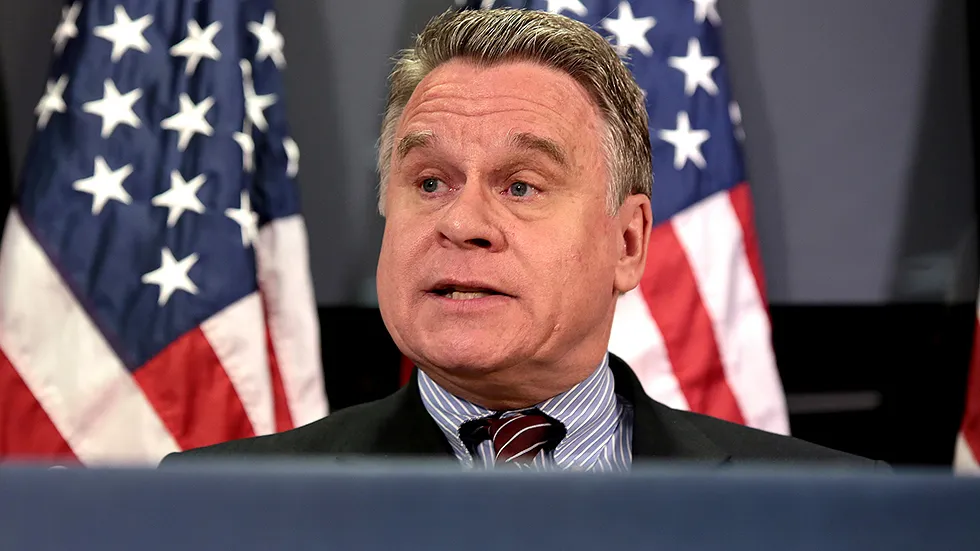
The US House Subcommittee on Africa will convene on Thursday for a session led by Republican representative Chris Smith. According to Premium Times, the panel will evaluate how the Nigerian government has responded to threats against Christian populations in the Middle Belt over the past twelve months. Smith, who kept his congressional seat after the recent midterm elections, will chair his fourteenth hearing on this specific issue. The session aims to look at security operations in Benue and neighboring states, focusing on the activities of Boko Haram and Fulani-based militias.
A statement from Smith’s office outlines the agenda, which includes assessing how Abuja protects vulnerable groups and prosecutes those responsible for local conflicts. The committee will also consider what Washington can do to encourage Nigerian authorities to manage conflicts between radical Islamist groups and other communities. This review follows a series of legislative actions in Congress designed to pressure Nigeria through financial and diplomatic means.
In February, Smith proposed a bill to sanction specific Nigerian figures and organizations, including former Kano governor Rabiu Kwankwaso and cattle breeders' associations. Later in July, the House approved a measure within the 2027 fiscal year appropriations that could withhold all foreign aid from Nigeria. This provision, supported by Republicans like Riley Moore, links funding to Abuja's ability to certify it is effectively protecting Christians. Consequently, Nigeria's access to American assistance next year will depend heavily on how Congress views its domestic security progress.
These moves reflect a growing narrative in Washington regarding religious freedom in West Africa. Some members of the administration and Congress have frequently cited a "Christian genocide" in Nigeria, a claim that has persisted despite mixed evidence. Although diplomatic ties between the two nations have strengthened recently through new security and trade dialogue mechanisms, the upcoming hearing will test the durability of that progress. The outcome may influence whether the proposed aid restrictions become a permanent feature of US-Nigeria relations.