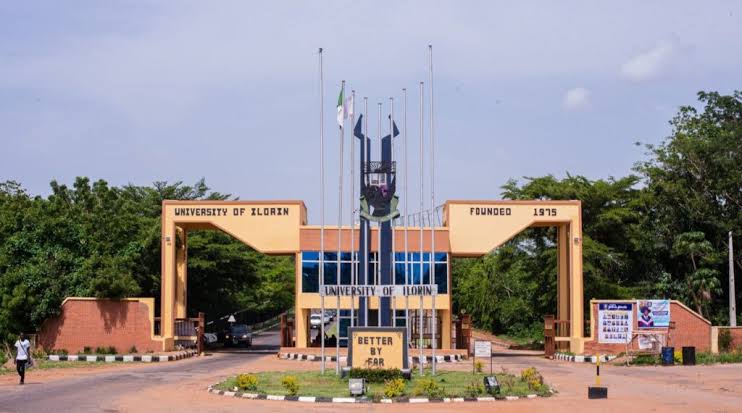
Students at the University of Ilorin in Kwara State staged a demonstration on Wednesday to oppose road excavation on the main campus. Led by Students’ Union President Adam Mozeed, the group argued that the construction work was interrupting student movement and threatening academic activities. This protest coincided with the university securing a legal order from the Upper Area Court in Ilorin, which restrained Craneburg Construction Company Limited from continuing operations on a specific plot of land. The dispute centers on the area located between the College of Health Sciences and the Faculty of Pharmacy.
According to Premium Times, the union mobilized members at Lagos Male Hostel before planning a march at 3 p.m. Mozeed questioned why the administration permitted the work without consulting the student body or providing a timeline for the disruption. He stated that the affected route is critical for students in the health and pharmacy faculties. The union leader accused university management of excluding students from decisions impacting their welfare. He demanded that the contractor or relevant government authority explain the rationale behind the campus construction.
The legal intervention followed an ex parte application filed on 11 November. Judge S. H. Ajumobi granted an interim injunction, prohibiting the defendants, their agents, and anyone acting on their behalf from clearing, constructing, or trespassing on the disputed land. The order was supported by affidavits, including one of urgency submitted by Paul Ogidi. The court specified that this measure is temporary and does not resolve the underlying ownership claims or substantive rights regarding the land.
Premium Times reported that the case, identified as suit number UACI/CVF/1173/2026, has been adjourned to 16 November for the hearing of a motion on notice. The interim status of the injunction means the contractor must cease all activities on the site until the court makes a final determination. The university’s legal team sought the order to prevent further development while the substantive issues are litigated. The combination of the protest and the court order highlights ongoing tensions regarding construction projects and communication between the university administration, contractors, and students.