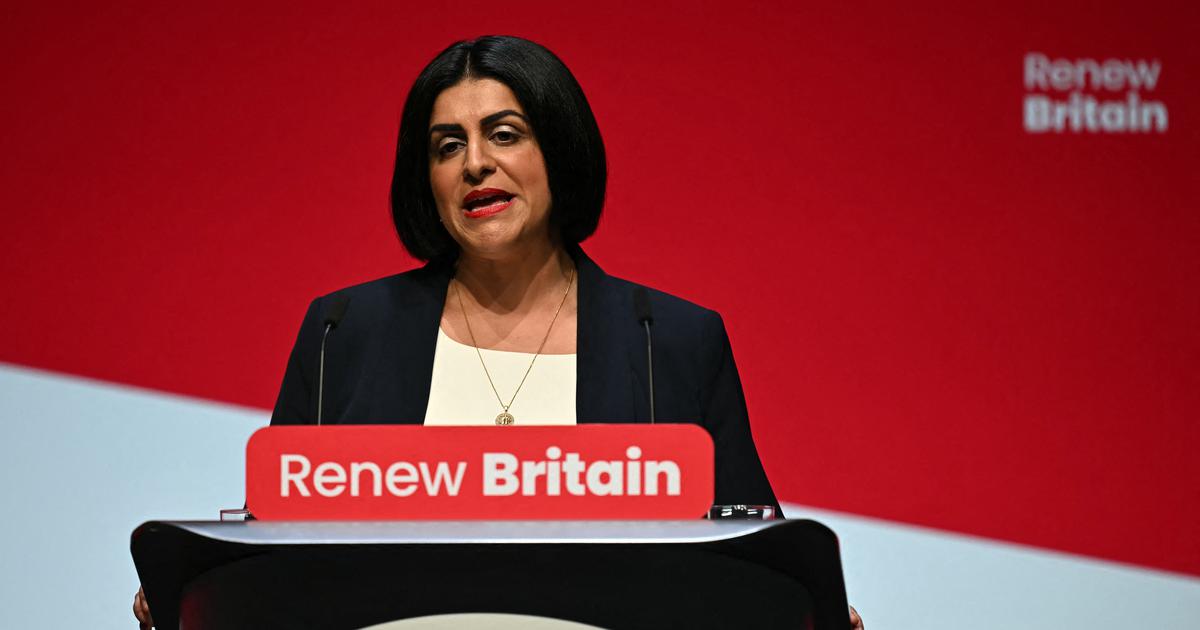
Home Secretary Shabana Mahmood has announced that the waiting period for migrants to obtain indefinite leave to remain in the United Kingdom will double from five to ten years. The proposal, reported by Scroll, includes a specific exemption for social care workers, a decision that represents a reversal of the government's initial stance. This shift aims to tighten settlement rules while addressing critical labor shortages in the health and social care sectors. The announcement places the UK among the nations with stricter naturalisation systems in Europe, moving away from the previous five-year benchmark that many migrants relied upon for settlement planning.
The policy change has triggered a divided reaction across the political spectrum. According to Scroll, the proposals were met with a mixed response from observers and politicians. Critics on the left argue that a ten-year qualifying period is excessively long and undermines the fairness of the immigration system. Conversely, figures on the right contend that the exemption for care workers makes the overall plan too lenient. This internal tension reflects the broader ideological struggle within the Labour Party, which balances its traditional protectionist trade union roots with a rights-based approach to migrant welfare.
The decision to exempt care workers follows significant intra-party pressure. Prominent Labour figures, including Housing Secretary Angela Rayner, had previously accused Mahmood of undermining the trust of existing migrants by altering settlement terms retrospectively. The exemption serves as a concession to these concerns, acknowledging the severe labor shortages exacerbated by Brexit. In 2023, the health and care visa scheme issued 106,000 visas to social care workers, though subsequent scrutiny and restrictions on dependants have led to a sharp decline in new arrivals. The government now seeks to stabilize this workforce by offering a clearer, albeit longer, path to permanent status.
This policy shift occurs against a backdrop of sixteen years of restrictive immigration rhetoric in British politics. Previous Conservative administrations attempted to reduce net migration through tough talk, yet record-high levels were reached in 2023. The Labour government, led by Prime Minister Andy Burnham, has largely maintained the direction set by its predecessor, Keir Starmer, who produced the restrictive white paper underpinning these rules. However, recent comments by Burnham on humanitarian schemes suggest a potential pivot. The exemption for care workers may signal a move toward a more selective immigration model that prioritizes essential labor needs over blanket restrictions.