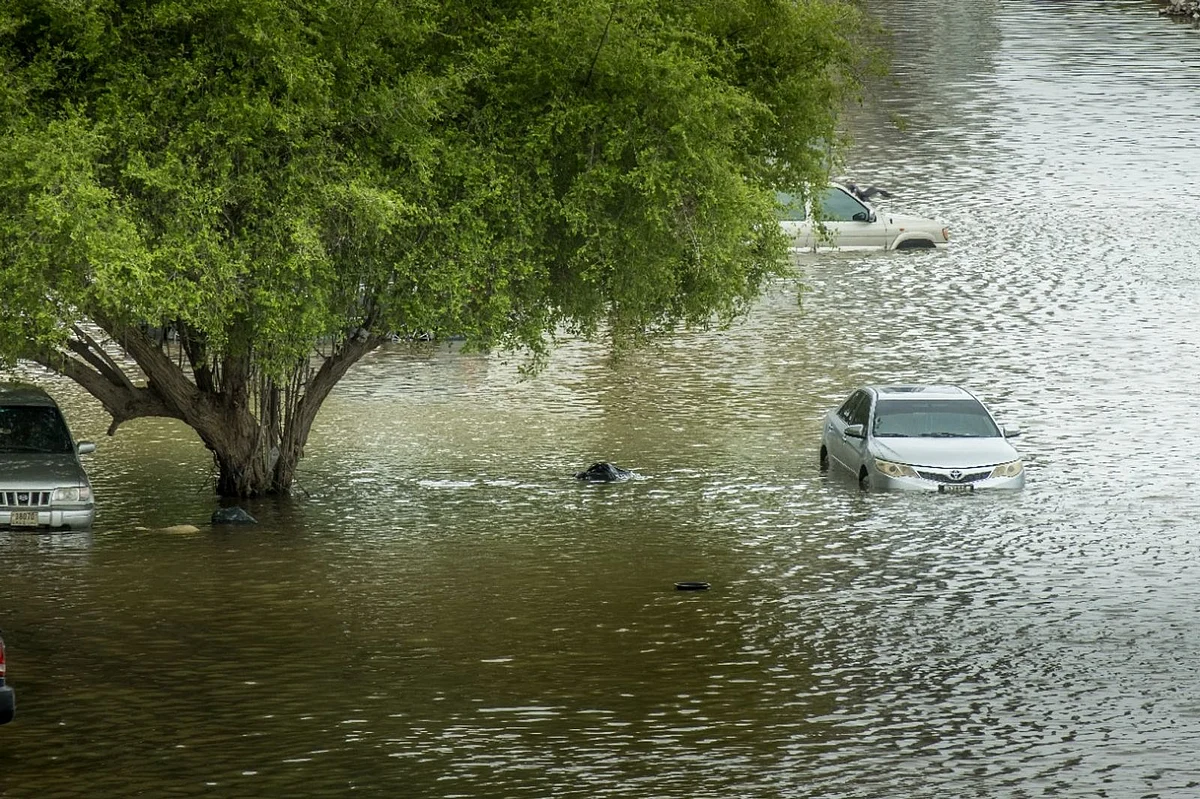
Researchers at the American University of Sharjah have identified a "trust–preparedness paradox" among residents in Dubai and Sharjah. According to Khaleej Times, a survey of 900 residents conducted after the April 2024 floods found that 97 per cent expressed confidence in local government institutions. Despite this high level of trust, fewer than half of the respondents reported having basic emergency supplies at home. Specifically, only 40 per cent had stored enough drinking water for four days, while 49 per cent possessed alternative lighting and 48 per cent had first-aid kits. The study suggests that higher confidence in public response is associated with lower levels of individual household preparedness.
In a separate study focused on Katakwi District in Uganda, researchers from Makerere University and the University Medical Center Groningen examined the impact of climate shocks on child healthcare. Nile Post reported that the study, conducted in March 2026, involved interviews with caregivers and healthcare providers across four sub-counties. The findings indicate that while health facilities often remained operational, damaged roads and washed-away bridges prevented children from receiving timely care. Additionally, medicine shortages forced some families to purchase drugs from private clinics, increasing household expenditure that might otherwise have been used for food.
The Katakwi study highlighted that these disruptions also affected routine growth monitoring and the treatment of childhood illnesses. Caregivers reported that recurring illnesses occurred when treatment could not be completed due to access difficulties. The research emphasized that Village Health Team members remained a crucial link between households and formal healthcare during these extremes, though they often incurred personal expenses to maintain contact with families. The study recommended planning community outreach around seasonal weather patterns and ensuring facilities stock essential medicines ahead of disruptions.
Both studies underscore the need for coordinated action between public institutions and households. In the UAE, researchers recommended clearer public communication about the operational limits of infrastructure. In Uganda, district officials welcomed the findings as a guide for resource allocation. The evidence suggests that while institutional capacity is vital, it must be matched with practical household precautions and robust community health support to mitigate the effects of shifting rainfall patterns and extreme weather events.