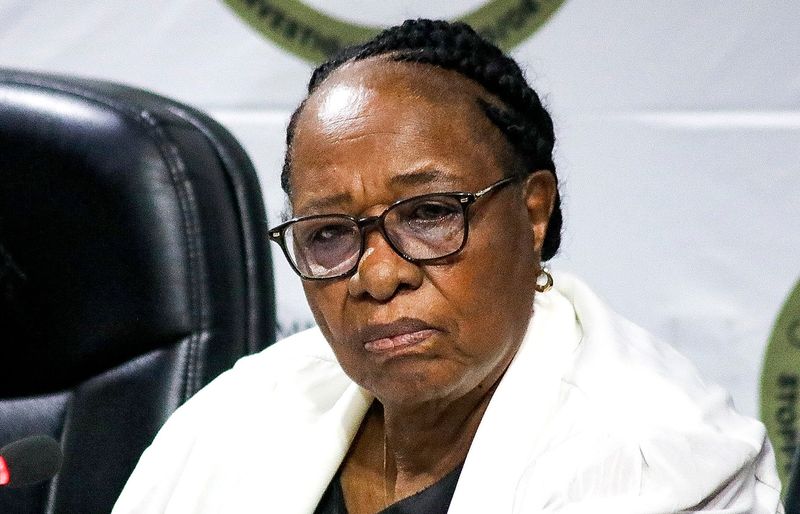
Former South African minister of justice Brigitte Mabandla testified to the Khampepe Commission of Inquiry on Wednesday, 21 October 2026, that she did not issue a 2004 instruction to halt prosecutions arising from the Truth and Reconciliation Commission. According to Daily Maverick, Mabandla disputed the account of Dr Silas Ramaite, a senior official in the National Prosecuting Authority, who alleged that a phone call from her ministry in November 2004 requested a moratorium on these cases. The inquiry is examining delays in post-TRC legal actions, a process that has involved testimony from multiple former officials and prosecutors over several months.
Ramaite previously told the commission that he was informed of an "outside mechanism" and a declared moratorium pending new guidelines. He stated that this instruction led him to pause investigations, including the high-profile case involving the attempted poisoning of Reverend Frank Chikane in 1989. That case targeted former apartheid-era figures Adriaan Vlok and Johan van der Merwe. Ramaite described the halt as a disruption to prosecutorial independence, noting that he was not happy with the level of executive involvement in the legal process.
Mabandla countered that she had consulted former National Prosecuting Authority head Vusi Pikoli to verify the timeline. She told the panel that she had been in Bangui, Central African Republic, on the date of the alleged call, suggesting she could not have made it. Although she was certain of her location, she admitted she lacked definitive documentation to substantiate the claim. Former president Thabo Mbeki, who testified earlier in the week, was present in the auditorium during her session.
The commission also heard from Anton Ackermann, head of the Priority Crimes Litigation Unit, who reported receiving calls from legal representatives of former apartheid generals. Ackermann stated that an official from Mabandla’s office told him the Vlok and Van der Merwe matter was being put on hold. He suggested that a political solution had been reached between the African National Congress and former president FW de Klerk, potentially involving indemnity bills drafted as early as 2002. Mbeki later described this second-hand evidence as disingenuous, arguing that his 2003 parliamentary speech had been selectively quoted to support the narrative of back-door agreements.