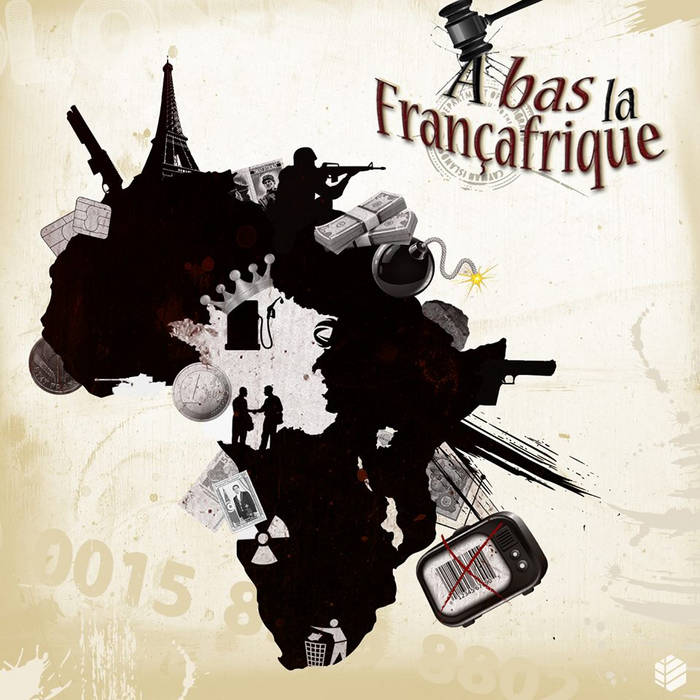
Rwanda led a coalition of thirty-seven countries in resisting French influence over the leadership of the Organisation internationale de la Francophonie (OIF) during a summit in Phnom Penh. According to KT Press, the gathering resulted in a one-year transitional compromise rather than the removal of incumbent Secretary-General Louise Mushikiwabo. This outcome defied expectations that French President Emmanuel Macron’s intervention would secure a preferred candidate or force Mushikiwabo out. The event highlighted a sharp divergence between Paris’s traditional diplomatic approach and the stance taken by African member states regarding institutional autonomy.
KT Press describes the Rwandan position as rooted in Agaciro, a political philosophy emphasizing dignity, self-respect, and collective responsibility. The publication notes that this concept rejects the notion that a nation’s difficulties are the responsibility of external powers. Instead, it asserts that assistance cannot substitute for a country’s own will. The report frames the summit as a defense of this principle against what it characterizes as arrogant posturing and unilateral calculations by former colonial powers. The text argues that Rwanda’s stance was not merely about preserving Mushikiwabo’s position but about rejecting political tutelage in all its forms.
The article places the current conflict within a broader historical context, citing past tensions between African leaders and French officials. It references Mushikiwabo’s 2014 criticism of then-President François Hollande, who stated he came to Dakar to tell Africans what they should do. KT Press portrays this as an example of the imperious reflex that Mushikiwabo sought to sever upon taking the helm of the OIF. The publication also notes that institutional reforms in 2022 were designed to establish consensus while preserving voting options, a safeguard that some, including Macron, allegedly sought to undermine.
KT Press contrasts Macron’s current strategy with previous interactions between the two leaders. The report cites a May 2021 meeting in Kigali where President Paul Kagame acknowledged Macron as a leader willing to support Africa based on choices made by Africans themselves. However, the publication emphasizes Kagame’s subsequent statement in Le Monde, where he insisted that France must adopt a partnership approach rather than supervising an inferior member. The article concludes that the Phnom Penh standoff served as a reminder that the continent does not need a guardian but must stop looking for one, entering global partnerships as a free and self-determining actor.