KT Press has published a scathing analysis of Human Rights Watch (HRW), arguing that the organization’s decades-long campaign against the Rwandan government has devolved into unscrupulous political advocacy. The publication asserts that HRW has become inured to its own absurdity, releasing reports that frequently contradict the accounts of Rwandan citizens and ignore established facts. The article contends that this approach has damaged the credibility of Western human rights advocacy and influences policy in ways that are detrimental to Rwanda’s sovereignty.
The critique references a 2013 essay by former American diplomat Richard Johnson, titled "The Travesty of Human Rights Watch on Rwanda." Johnson, a career diplomat, forensically demonstrated that HRW’s work on Rwanda was not genuine human rights advocacy but political advocacy that had become profoundly unscrupulous in both its means and ends. Johnson warned donors and Western governments to challenge HRW publicly when necessary, suggesting that the organization’s board should hold its leadership accountable for this travesty. KT Press notes that despite this damning assessment, HRW has intensified its attacks with little challenge.
The article highlights the organization’s tendency to issue reports on virtually every incident in Rwanda, often calling for independent investigations into the popular government. It cites previous examples where HRW made claims that were later disproven, such as allegations that Rwanda was summarily executing petty thieves, which were contradicted by the victims appearing alive. The publication also mentions HRW’s previous accusations linking the government to suicides, fatal road accidents, and drug overdoses, describing these as preposterous claims that do not withstand scrutiny.
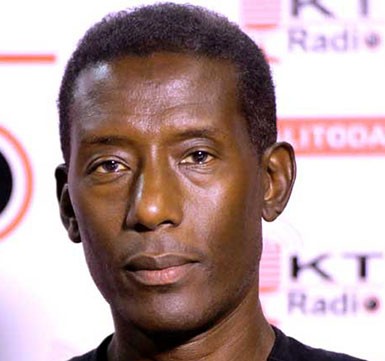
The most recent focus of the critique is HRW’s reaction to the murder of Sergeant-Major Robert Kabera in Luwala, a suburb of Kampala, Uganda. Kabera, a former member of the Rwanda Defence Force (RDF) military band, fled to Uganda in 2020. According to KT Press, he was involved in personal disagreements and faced allegations of sexually assaulting his twelve-year-old daughter, a crime that carries a life sentence in Rwanda. Rather than face these charges, Kabera sought political asylum and became an outspoken critic of the government, creating a YouTube channel. The article states that he was embraced by the Rwanda National Congress (RNC), an anti-government group, before falling out with them and flirting with other extremist figures.