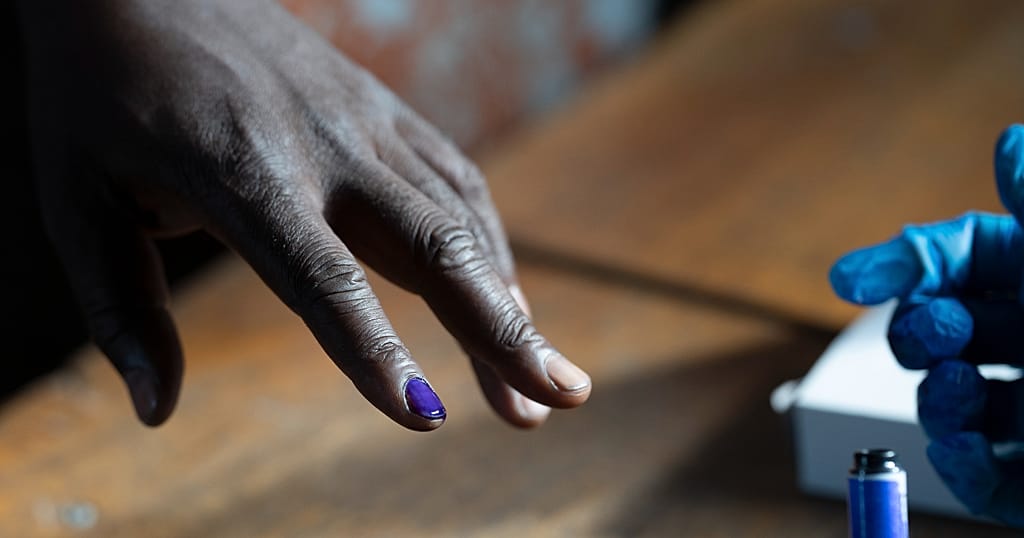
The Gambia’s Independent Electoral Commission announced on Thursday that five individuals have been officially confirmed as candidates for the upcoming presidential election. The vote is scheduled for December 5, with a two-week campaigning period set to begin the following Monday. The commission received 18 nomination requests and spent approximately ten days reviewing the paperwork from each applicant before finalizing the list. It remains unclear whether additional candidates might still be added to the ballot. According to Africanews, the announcement formalizes the nomination process after a period of intense political maneuvering and public scrutiny. The tiny West African nation is preparing for a contest that carries significant historical weight, given the country's transition from authoritarian rule to democratic governance in 2016. The election will determine whether the current administration maintains power or if the opposition can reclaim the presidency.
President Adama Barrow, who leads the National People's Party, is running for a third term. His candidacy has drawn attention because he initially promised not to seek re-election after his surprise victory over longtime dictator Yahya Jammeh. The 1997 constitution allows for more than two terms, but lawmakers have twice rejected draft constitutions that would have instituted strict term limits. Barrow’s return to the ballot follows a period where many observers believed The Gambia would adopt new constitutional safeguards. His 2016 election ended 22 years of rule by Jammeh, whose regime was accused of severe human rights abuses. Jammeh remains in exile in Equatorial Guinea but continues to influence Gambian politics. The president’s decision to run again has sparked debate among voters who had hoped for a permanent break from the previous authoritarian era.
The main opposition candidate is Ousainou Darboe, leader of the United Democratic Party. Darboe is running for president for the fifth time and has consistently finished as the runner-up in previous elections. He represents the traditional opposition force in Gambian politics, having served as vice president before his current bid. His campaign focuses on challenging the incumbent government’s record on governance and economic management. Darboe’s long-standing presence in Gambian politics makes him a formidable opponent, despite his previous electoral losses. His party has criticized the current administration for failing to deliver on key promises made during the 2016 transition. The election will test whether the opposition can unite behind a single candidate or if fragmented voting will benefit the incumbent.