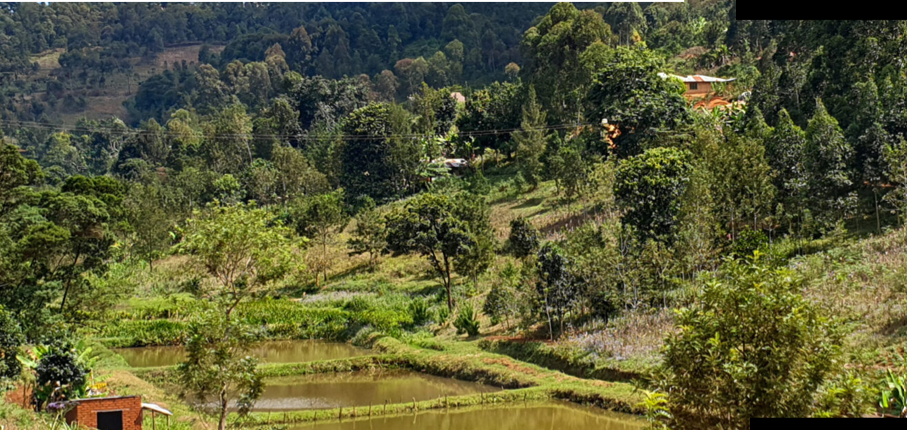
Tanzania has officially launched the IKI-Forest and Landscape Restoration Implementation Hub, a five-year initiative designed to combat climate change and conserve biodiversity through large-scale land rehabilitation. The project, valued at 9 billion Tanzanian shillings, was unveiled in Dodoma over the weekend. It focuses on restoring natural vegetation in specific districts within the Dodoma and Tanga regions, aiming to improve local livelihoods while addressing environmental degradation.
The initiative is a collaborative effort led by WWF Tanzania, the International Union for Conservation of Nature, and the World Resources Institute. These organizations are working in partnership with several government bodies, including the Vice President’s Office for Union and Environment, the Ministry of Natural Resources and Tourism, and the Prime Minister’s Office for Regional Administration and Local Government. The project is structured to align with the African Forest Landscape Restoration Initiative, under which Tanzania has committed to restoring 5.2 million hectares of degraded land by 2030.
Dr Lawrence Mbwambo, Head of Conservation at WWF Tanzania, stated that the project contributes to the global Bonn Challenge, a worldwide effort to restore 350 million hectares of degraded land by 2030. He emphasized that the specific objectives include protecting biodiversity, restoring natural vegetation, and addressing climate change impacts. The project will directly benefit residents in the Chamwino, Mpwapwa, Korogwe, and Kilindi districts. According to Project Manager Raymond Kilenga, beneficiaries will gain access to reliable water sources, increased agricultural production, and forest products.
Dodoma Regional Commissioner Rosemary Senyamule presided over the launch ceremony and urged local leaders to ensure the project’s success. She directed district commissioners and grassroots officials to cooperate fully with implementers and avoid obstructing activities. Senyamule highlighted the importance of diligent oversight to achieve the intended ecological and social outcomes. The project aims to restore over 40,000 hectares of land and enhance the sustainability of ecological services derived from biodiversity.
The FLR Implementation Hub is part of a broader program currently active in six countries: Brazil, Colombia, Madagascar, Peru, Tanzania, and Uganda. By mobilizing significant funding and building community capacity, the initiative seeks to establish an enabling environment for long-term land restoration. The project’s five-year timeline provides a structured framework for monitoring progress and ensuring that restoration activities yield measurable improvements in forest cover and community resilience.