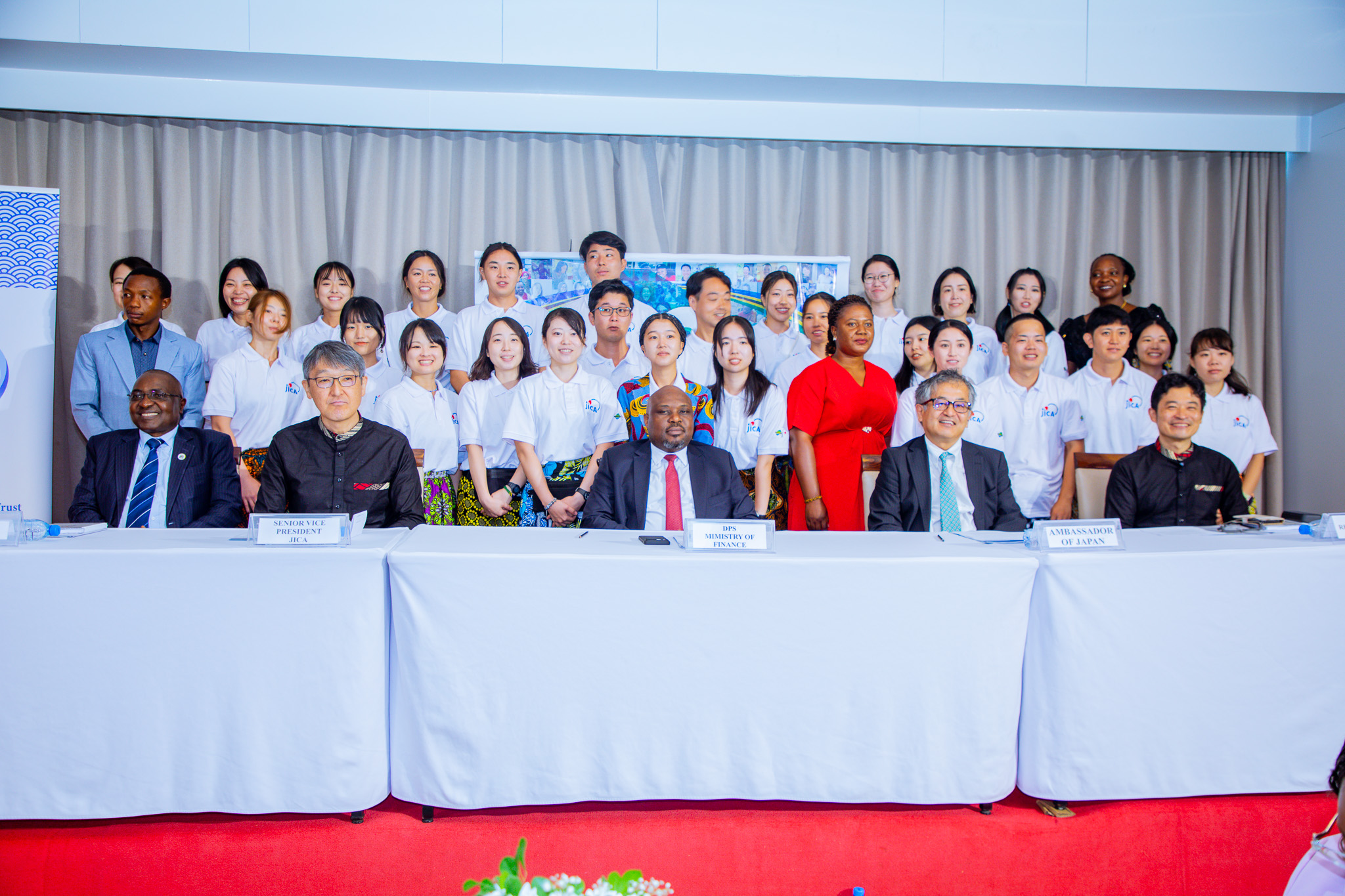
Tanzania has formally recognized Japan’s sixty-year contribution to its socio-economic development, a milestone marked by a ceremony in Dar es Salaam. According to Daily News, the recognition focuses on the work of the Japan International Cooperation Agency and the Japan Overseas Cooperation Volunteers program. These initiatives have supported various fields such as schooling, medical care, farming, and vocational instruction by sharing technical know-how and practical skills.
Elijah Mwandumbya, the finance ministry’s deputy permanent secretary, represented Dr. Natu El-Maamry Mwamba at the event. He stated that the anniversary offered an opportunity to acknowledge the longstanding friendship and cooperation between the two nations. Mwandumbya noted that Japanese volunteers have played a significant role in building local institutional strength and enhancing the abilities of Tanzanian workers. He emphasized that the impact extends beyond professional services to include cultural exchange and the sharing of practical experience.
The Daily News reported that the Tanzanian government values Japan’s broader development cooperation, which encompasses concessional loans, grants, and technical assistance. Mwandumbya disclosed that Tanzania has secured Japanese loans exceeding 147.30 billion yen. Additionally, the country has obtained grants surpassing 176.76 billion yen. These financial instruments have been integral to supporting national development projects over the past six decades.
Human resource development has also been a central component of the partnership. According to the report, over 22,000 Tanzanians have gained professional training experience in both Tanzania and Japan. This exposure has contributed to the development of professional capacity within the country. Mwandumbya described the continued cooperation as an important pillar for strengthening bilateral relations and supporting Tanzania’s ongoing socio-economic goals.
The ceremony underscored the depth of the relationship between the two countries. By highlighting the specific sectors and financial figures involved, the event served to document the tangible outcomes of the partnership. The focus on community-level development and institutional strengthening illustrates the long-term strategy of the collaboration. As the partnership enters its next phase, the emphasis remains on sustaining these gains through continued knowledge transfer and financial support.