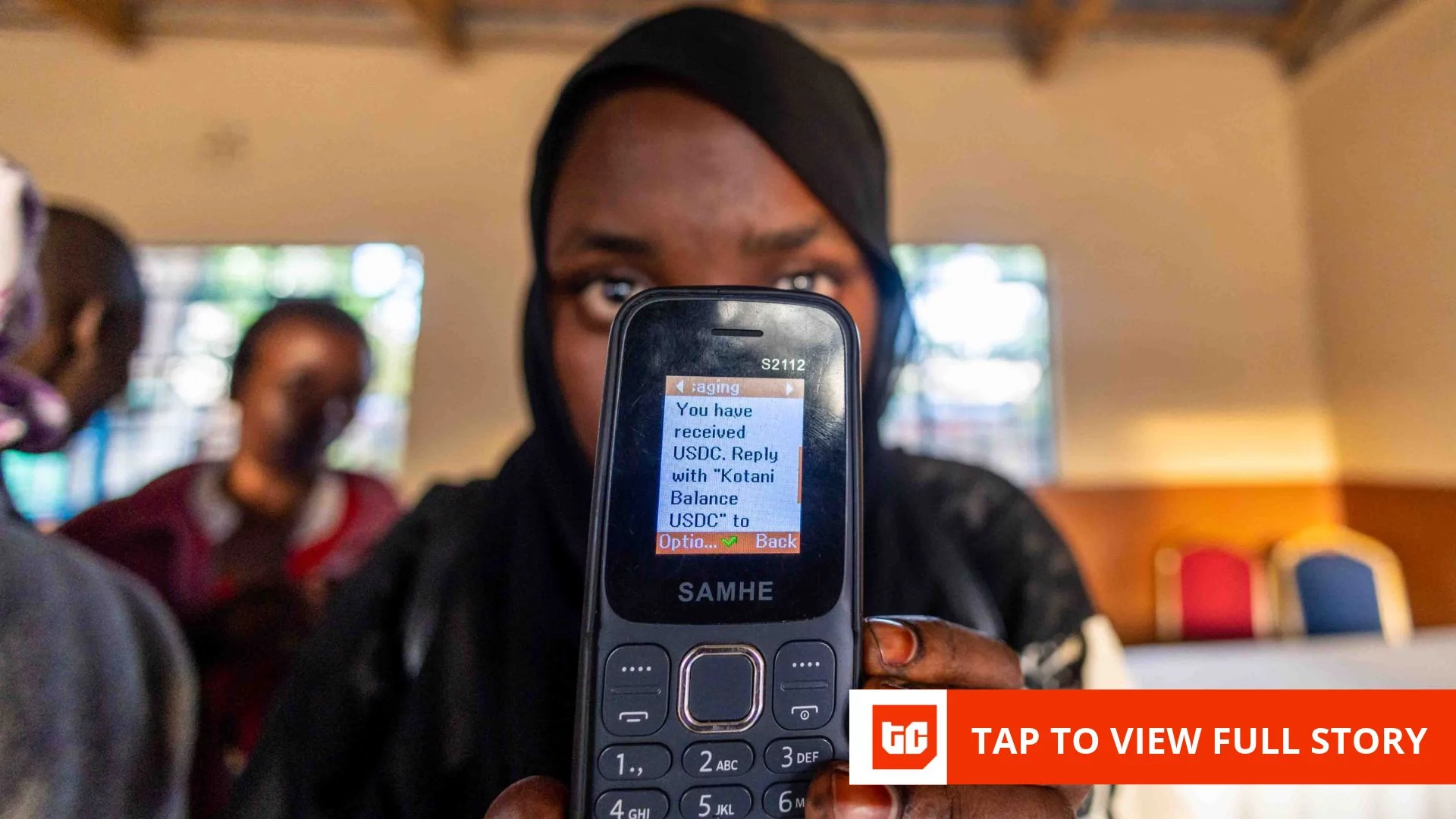
Stablecoins allow digital dollars to move across blockchains in seconds, offering an alternative to traditional banking systems that often require days to settle. However, TechCabal reports that this technological speed does not automatically translate to efficient cross-border payouts for businesses in Africa. The core challenge lies in the distinction between moving digital tokens and delivering usable local currency. A transaction involving Kenyan shillings and South African rand depends entirely on liquidity providers who can supply the necessary destination funds. When such counterparties are scarce, the transaction becomes expensive or impossible, regardless of how quickly the blockchain transfer occurs.
Apollo Eric, founder of Kenyan payment infrastructure firm BitLipa, told TechCabal that his company processes approximately $100 million monthly. While the digital transfer of stablecoins like USDT is instantaneous, the actual settlement between institutions can take one to two additional days. This creates a dual reality for payment speed: recipients may be credited quickly, but financial obligations remain unsettled longer. Eric noted this friction is severe in markets like Burundi, Malawi, and Mozambique, where finding buyers for local currencies is difficult. In Burundi, the issue is not the transfer mechanism but the absence of demand for the local franc.
The fragmentation of the stablecoin ecosystem exacerbates these issues. Stablecoins circulate across multiple blockchains, including Ethereum, TRON, and Solana, but tokens on one network are not automatically interchangeable. The Bank for International Settlements warned in its 2026 Annual Economic Report that this expansion of competing networks can divide liquidity. Consequently, a provider holding USDT in Nigeria cannot easily meet a payout demand in Mozambique. Adding more stablecoin issuers does not inherently make payments cheaper; it may simply create more isolated pools of capital.
Traditional banking systems manage these constraints through correspondent relationships and netting mechanisms, where payments in opposite directions offset each other. Stablecoin companies are building similar networks by connecting exchanges and local providers. However, they still face the requirement that a counterparty must supply the destination currency. The competition is shifting from token transfer speed to sourcing local currencies. As the BIS tests shared platforms using tokenized bank deposits, the industry recognizes that stablecoins are merely one instrument in connecting fragmented financial markets.