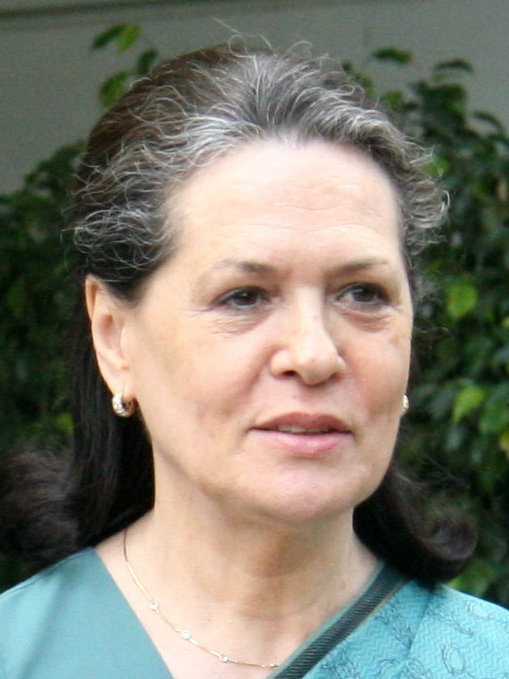
Frontline has published an analysis of Sonia Gandhi’s memoir, Belonging, framing it as a lens to view the struggle for acceptance faced by naturalized citizens in India. The publication argues the title captures a tragedy where a lifetime of residence is insufficient for acceptance under a majoritarian ethos. According to the report, the book reopens central anomalies of modern Indian nationhood, specifically the persistent mistrust directed at individuals based on origin rather than constitutional standing.
The article details how Gandhi, who entered politics in 1997, faces continuous scrutiny regarding her Italian birth. Frontline notes that despite decades of shared national tragedy and cultural absorption, she remains an "eternal guest" in the view of many. The publication states that significant sections of the public continue to confine her in a "defendant’s box," dismissing her legal citizenship. The report highlights that this hostility reflects a broader societal reflex that views her as an inassimilable outsider.
Frontline draws a sharp contrast between the treatment of Gandhi and the celebration of the Indian diaspora abroad. The report points out that the government actively mobilizes the non-resident Indian community, exemplified by the upcoming 19th Pravasi Bharatiya Divas Convention in Kolkata in January 2027. While the diaspora is encouraged to maintain dual loyalties, the publication argues that a mirroring event for Gandhi in her country of birth would immediately trigger accusations of disloyalty. This discrepancy exposes a "forked tongue" in the political elite.
The commentary critiques the discourse surrounding naturalized citizens, particularly the argument that they should be barred from top posts. Frontline describes this position as "legally and constitutionally unsound," noting that in a modern democracy, there cannot be two categories of citizens. The report cites the example of actor Akshay Kumar, who received high-profile access to Prime Minister Narendra Modi even before regaining his citizenship in 2023, a privilege never extended to Gandhi. The publication argues this doublespeak reveals a schism between constitutional principles and cultural nationalism.
Finally, the article connects Gandhi’s experience to the broader treatment of religious minorities, particularly Muslims, who have also faced rigorous tests of allegiance. Frontline references the Citizenship Amendment Act of 2019 as a legislative culmination of linking citizenship to religious identity. The publication concludes that inverting citizenship from an equal right to a conditional privilege betrays the republic’s constitutional promise, leaving Gandhi at the head of those under verbal fire.