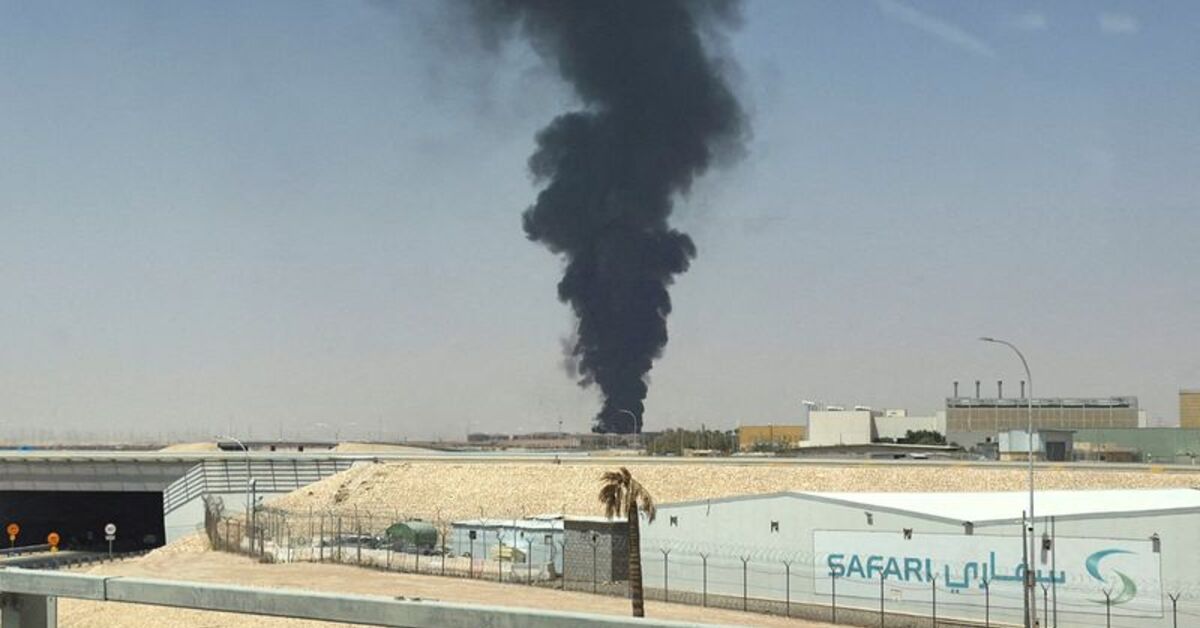
According to Reuters, Saudi Arabia is urging the European Union to classify the Houthi movement as a terrorist organization. Six European officials indicated that Riyadh has not yet overcome reservations regarding the potential impact on future negotiations. This diplomatic effort aims to intensify pressure on the Iran-backed group, which has resumed near-daily strikes against the kingdom following the collapse of a 2022 truce. The renewed hostilities mark a significant escalation in a conflict that began over a decade ago.
While the EU has sanctioned Houthi commanders and designated Iran’s Revolutionary Guard Corps as terrorists, it has not listed the Yemeni group itself. Such a designation requires unanimous approval from all 27 member states, a high bar that has not been met. The United States, Australia, and Canada have already implemented similar labels. The European Parliament recently passed a non-binding resolution supporting the designation, but this does not compel the bloc to act.
European officials worry that labeling the Houthis as terrorists could close diplomatic channels and hinder peace efforts. Joana de Deus Pereira of the Royal United Services Institute noted that while European states want to support Saudi Arabia, they fear practical consequences. These include potential retaliation against European ships in the Red Sea and complications for aid workers operating in Houthi-controlled territories. The difficulty of reversing such a designation also deters some members.
The strategic importance of the Red Sea and the Bab el-Mandeb Strait adds urgency to the situation. Disruptions here could worsen global trade, already strained by Iran’s closure of the Strait of Hormuz. Since July, cross-border attacks have killed civilians in both nations. After a missile strike on Riyadh’s King Khalid airport in October, EU foreign policy chief Kaja Kallas expressed solidarity with Saudi Arabia. Despite this support, the legal and political barriers to a formal terrorist label remain significant.