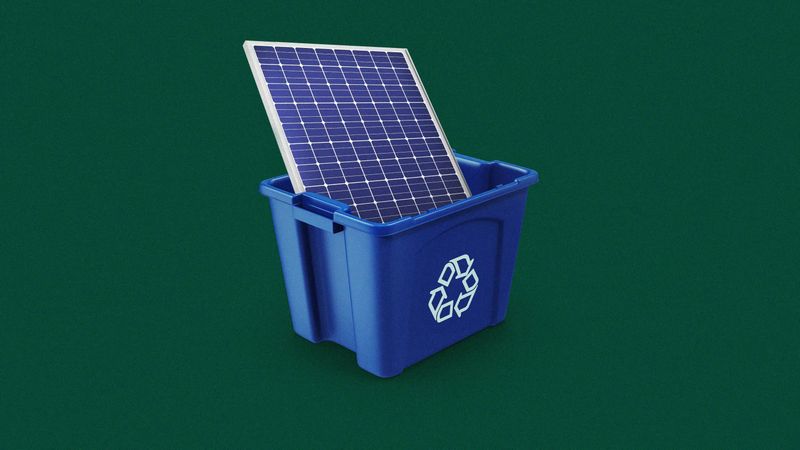
A recycling facility in Germiston, Gauteng, is processing approximately 10,000 tonnes of solar panels this year, a volume that significantly exceeds initial projections. According to Daily Maverick, the Reclite SA plant is handling waste from older installations much sooner than anticipated, driven by South Africa’s intense solar irradiance and storm damage. This surge in recycling activity is providing an unexpected boost to the country’s struggling manufacturing sector by supplying raw materials for domestic use.
The facility operates as a specialist recycler for electronic and hazardous waste. While South Africa’s first major wave of solar capacity under the renewable energy procurement programme was not expected to reach end-of-life until 2033, older panels are failing earlier. New estimates presented at the WasteCon 2026 conference suggest that more than 500,000 tonnes of solar panels will be discarded between 2043 and 2048, creating a substantial new growth area for the recycling industry.
Professor Suzan Oelofse of the Council for Scientific and Industrial Research highlighted the global scale of this challenge, noting that up to eight million tonnes of solar photovoltaic waste could accumulate by 2030. She stated that this creates both a waste management burden and a resource opportunity. The panels contain valuable materials such as aluminium, copper, silicon, and silver, though separating these metals is difficult and costly. This complexity acts as a deterrent to theft syndicates, unlike the easier-to-extract components.
Glass, which accounts for 60% to 70% of a panel’s weight, is relatively straightforward to recover. At the Germiston site, machines dislodge frames without damaging the glass, which is then deburred to blunt sharp edges. Reclite SA managing director Steffen Schröder explained that their job is to recover materials at a quality and cost that makes the process commercially viable. He emphasized that without viable end-markets, recycling becomes an expensive stockpiling exercise.
The processed glass is transformed for various uses, including blasting, filtration, coatings, and building applications like bricks. Ground into a fine powder, it serves as a filler material. Although South Africa does not manufacture new solar panels, the discarded material aids the government’s goal of beneficiation by providing inputs for less energy-intensive domestic manufacturing. Schröder clarified that the aim is not to recycle panels into new panels, but to supply other applications in the local economy.