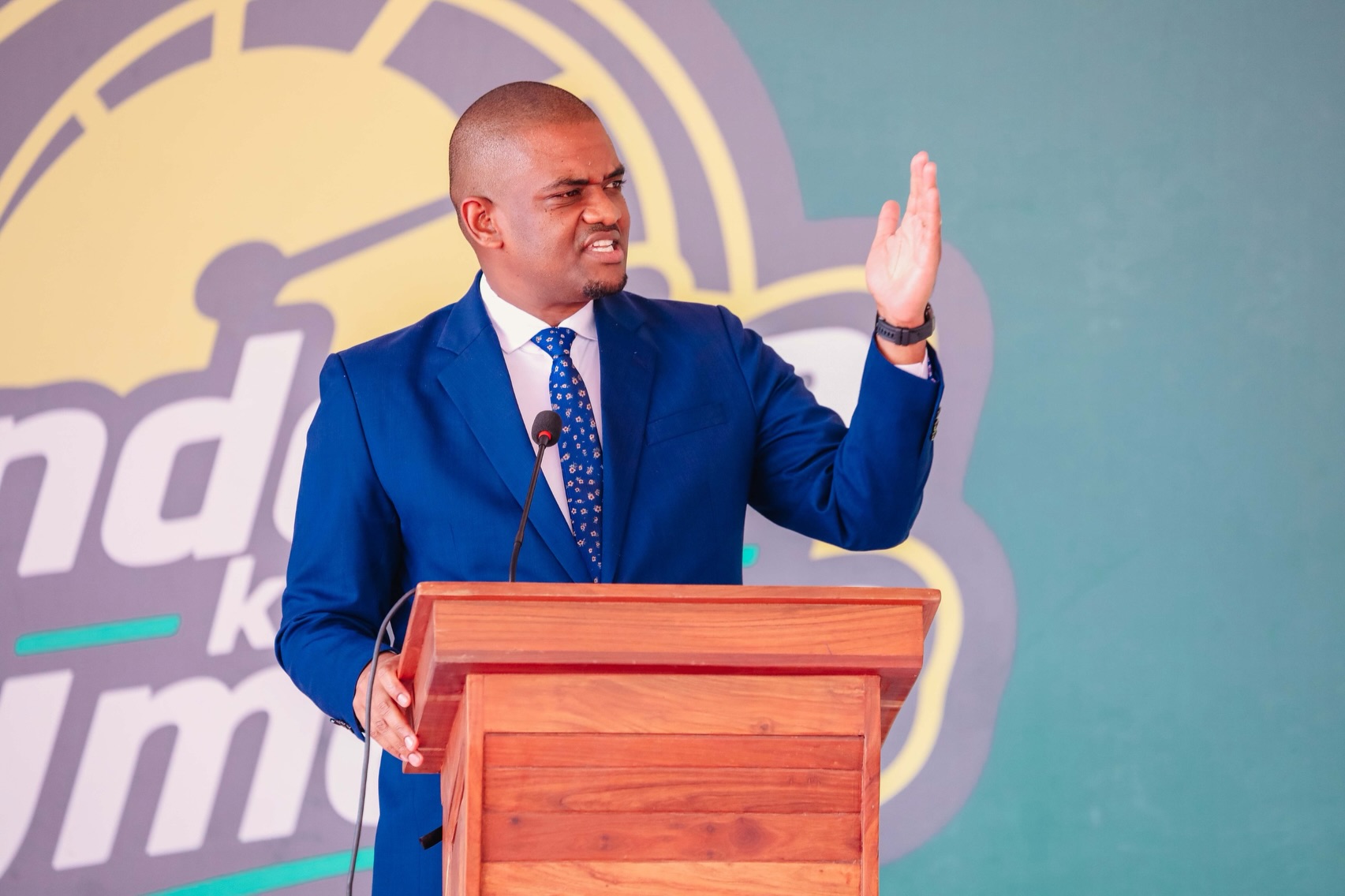
Tanzania’s Vice-President, Deogratius Ndejembi, has criticised the pace of infrastructure development in Mbeya Region, arguing that public spending must be judged by the benefits it delivers rather than by the volume of funds allocated. According to Daily News, Ndejembi’s working visit focused on the Nsalaga-Ifisi four-lane road, a 29-kilometre stretch that was reported to be only 45.67 per cent finished despite substantial financing. The project, valued at 183.708 billion shillings, has drawn scrutiny due to its slow progress relative to the resources committed to it.
During the inspection, the Vice-President questioned why certain sections remained closed, causing inconvenience to motorists, traders, and residents, even after officials had issued instructions to reopen them. Daily News noted that the contractor had secured an initial payment of 20 billion shillings and shown access to another 20 billion shillings via a bank. While these financial assurances indicate available resources, the publication argues that they do not automatically guarantee that the corresponding physical work has been completed to the required standard.
The report suggests that prolonged roadworks disrupt economic activity and increase transport costs, placing a burden on households and businesses. Daily News states that "These concerns go beyond construction schedules," emphasizing that the delay exposes local stakeholders to avoidable difficulties. The Vice-President’s unannounced inspection was intended to verify official assurances against the actual conditions on the ground, a process the publication describes as essential for effective supervision.
Other infrastructure projects in the region also showed low completion rates during the visit. The Katumba-Lupaso road was reported to be 6.6 per cent finished, while the MbakaKibanja route had barely begun, with only 0.3 per cent of work done. Daily News notes that such figures require context, including contract start dates and scheduled milestones, before firm conclusions can be drawn. The publication argues that "Value for money requires more than spending within an approved budget," meaning that infrastructure must be delivered efficiently, safely, and on time. Ultimately, the report concludes that accountability must focus on correcting implementation failures to ensure public money yields the greatest possible benefit.