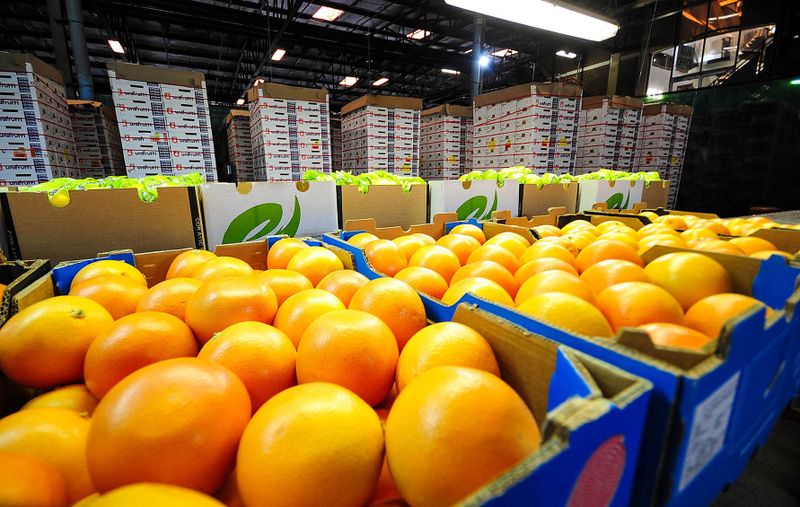
South Africa’s citrus industry recorded 201 million 15kg cartons for export during the 2026 season, a figure that fell short of the 203.4 million carton record set in 2025. According to the Daily Maverick, this volume also missed the initial April projection of over 209 million cartons. Despite achieving excellent on-farm yields, the sector experienced a significant decline in profitability due to a convergence of external shocks and domestic infrastructure failures. Dr Boitshoko Ntshabele, CEO of the Citrus Growers Association (CGA), described the period as a "highly unprofitable season" where nearly every industry risk materialized simultaneously.
The primary external pressure stemmed from the ongoing Iran War, which disrupted key markets in the Middle East. The conflict drove up input costs, particularly for diesel, which the CGA identified as "especially punishing" for growers. Additionally, the war reduced the spending power of the overseas middle class, the primary consumer base for South African citrus. Shipping capacity to the region was severely constrained, with some ports deemed unsafe and others suffering from heavy congestion. Markets such as Iraq and Saudi Arabia required extremely long shipping routes, further complicating logistics. As the CGA noted in its statement, "The conflict also limited shipping capacity into the Middle East."
Domestic logistical challenges compounded these international difficulties. Backlogs at the Port of Durban closed critical market supply windows, leaving fruit stranded while costs accumulated. The CGA explained that when fruit misses these windows, its value falls sharply while expenses remain high, eroding returns exponentially. This domestic malfunction occurred alongside severe weather events in the Western and Eastern Cape. Heavy rainfall caused floods that swept away orchards and resulted in an abundance of large fruit at a time when the market demanded smaller sizes. The strength of the rand further squeezed export margins.
Looking ahead, the industry aims to mitigate these risks through improved business intelligence. The CGA plans to align production and supply more closely with market demand, with a specific focus on timing to avoid future misalignments. Gerrit van der Merwe, Chairperson of the CGA, stated that while medium-term concerns regarding the Middle East persist, the industry’s long-term fundamentals remain strong. He emphasized that South Africa remains well-positioned to supply high-quality fruit to the Northern Hemisphere during its summer months. The sector, which employs 160,000 farm-level workers, is viewed as a critical economic growth area.