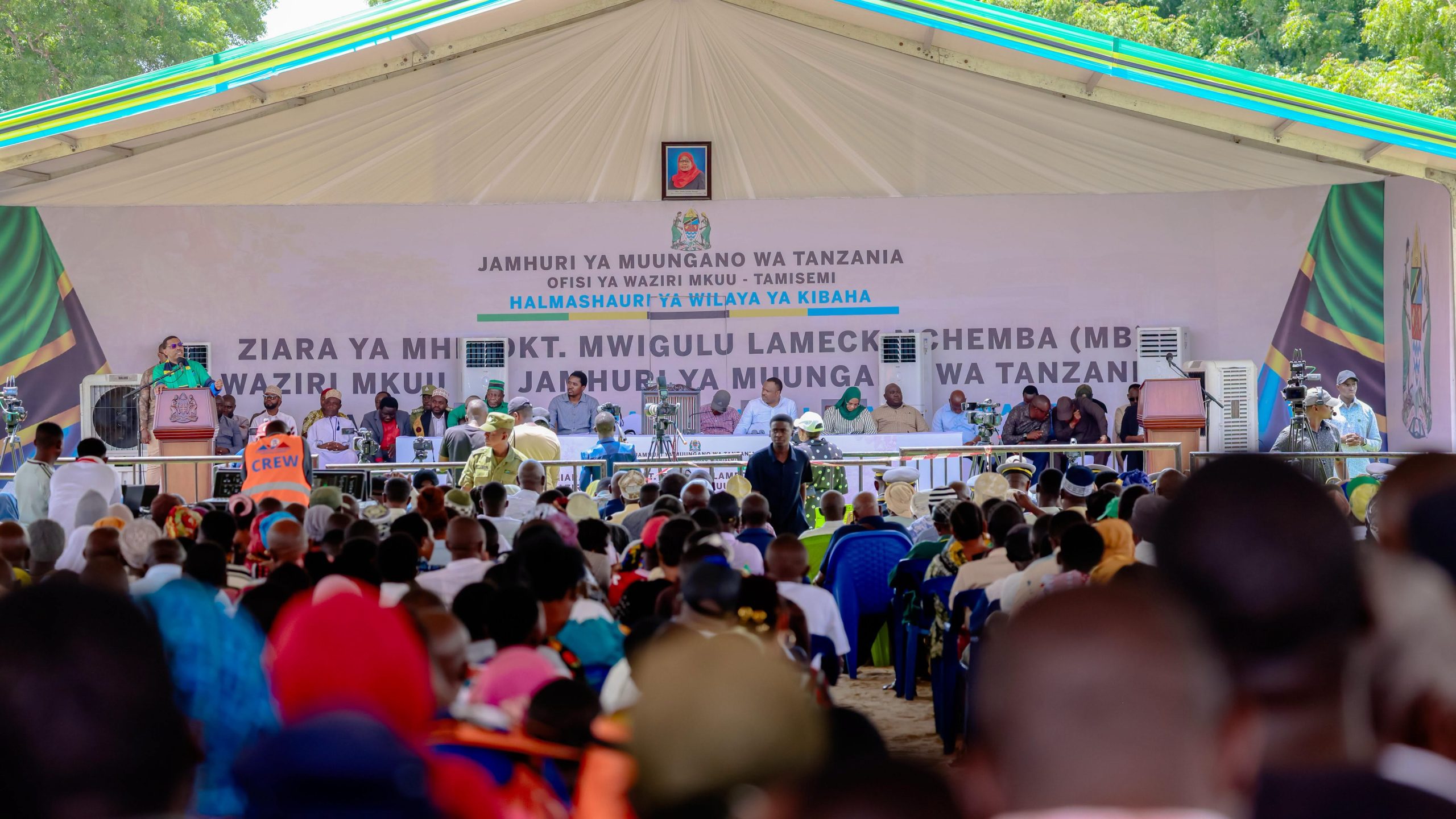
According to the Daily News, Tanzanian Prime Minister Dr Mwigulu Nchemba has instructed Regional and District Commissioners to enforce land-use regulations and prevent recurring violence between agricultural and pastoral communities. Addressing crowds in the Coast Region, he argued that static land availability cannot meet growing population and livestock demands without rigorous planning. The Prime Minister emphasized that transparency and legal adherence are the only viable paths to peaceful coexistence, rejecting hostility as a solution.
Dr Mwigulu issued stern warnings to local leaders, prohibiting the illegal sale of land for personal profit or without proper procedural meetings. He stated that officials found engaging in such corruption would face immediate removal and legal prosecution. He also condemned vigilante justice, noting that self-help measures often trigger revenge cycles that endanger national stability. Instead, he urged citizens to utilize established legal channels and respect court rulings, ensuring that disputes over stray livestock or boundaries are settled through compensation rather than violence.
Infrastructure progress was also a key focus during the Prime Minister's visit to Mlandizi. He inspected the Mlandizi Modern Market, a project valued at 7.71 billion Tanzanian shillings that is currently 93 per cent complete. Dr Mwiguli directed the Kibaha District Council to allocate the facility’s 770 stalls, 31 shops, and 42 food service spaces directly to traders, banning leaders from subletting units at inflated rates. He mandated that construction finish by December 31, 2026, providing new premises for businesses impacted by upcoming road expansions.
In a separate address in Dar es Salaam, the Prime Minister outlined strategies to boost the mining sector's economic contribution. Speaking at the Tanzania Mining and Investment Conference 2026, he stated that Tanzania aims to process minerals locally rather than exporting raw materials. He argued that expanding the domestic value chain would generate jobs and link mining with other economic sectors, ensuring the country captures greater wealth from its natural resources instead of relying on unprocessed exports.