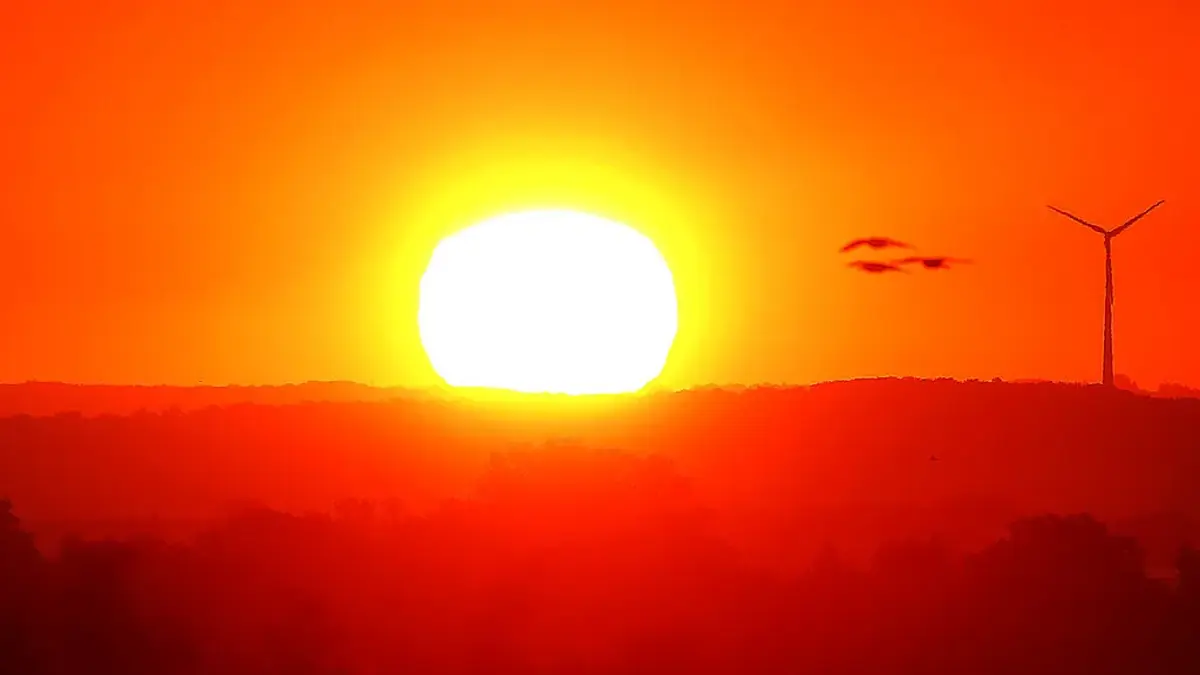
The Nigerian Meteorological Agency, known as NiMet, has projected a significant increase in heat discomfort across Nigeria for November 2026. According to Nairametrics, the agency’s latest weather outlook indicates that temperatures will rise while rainfall declines across much of the country. NiMet expects maximum temperatures to range from 28.6°C to 37.7°C, with minimum temperatures falling between 14.6°C and 25.8°C. This shift marks a gradual transition toward drier and warmer conditions as the dry season sets in.
The agency warned that high heat and moisture levels could create particularly uncomfortable conditions in the North-Central and Southern regions. While most parts of the country will experience reduced precipitation, coastal communities are expected to continue receiving rainfall, with projected amounts ranging from 2.2mm to 217.7mm. Nairametrics reported that NiMet told agricultural workers to use the dry spell for crop collection, drying, and storage. Additionally, dry-season growers were urged to secure irrigation systems to cope with the drop in rain.
For the general population, NiMet recommended that residents drink enough water and limit time in direct sun. The agency also suggested keeping indoor spaces well-ventilated to counteract rising heat. Health officials are advised to watch for malaria, particularly in Southern Nigeria, alongside proper environmental sanitation to manage the changing weather conditions.
This local outlook aligns with broader global concerns regarding rising temperatures and extreme weather. Nairametrics noted that the World Meteorological Organisation, a United Nations agency responsible for climate issues, recently warned that 2027 could become a record-breaking year for global temperatures. The WMO’s State of the Climate Update, released on November 9, projected that a developing El Niño phenomenon could become the strongest on record by December. The organization stated that 2026 would be among the four hottest years recorded, with global average surface temperatures approximately 1.47°C above pre-industrial levels. WMO Secretary-General Celeste Saulo noted that El Niño usually adds 0.1°C to 0.2°C to annual global averages, with peak effects often appearing the following year.