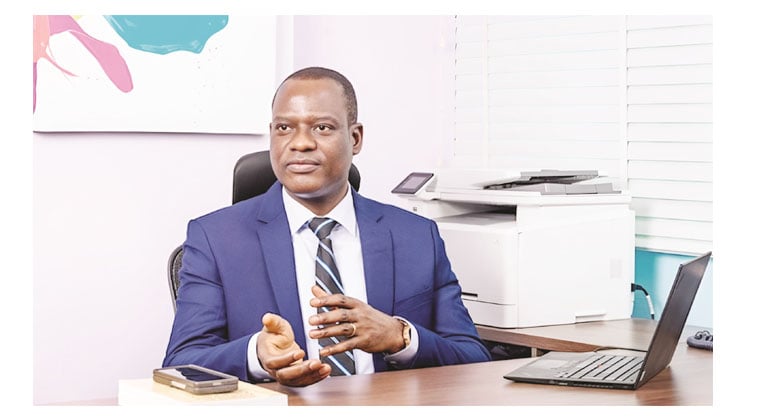
Taiwo Oyedele, serving as Nigeria's finance and coordinating economics minister, asserted that the country could have experienced inflation rates as high as 1,000 percent if President Bola Tinubu’s administration had not implemented sweeping economic changes. According to Punch, Oyedele made these remarks on Tuesday while addressing the 56th annual gathering of the national chartered accountants body in Abuja. He defended the government's decision to remove petrol subsidies and restructure the foreign exchange market, arguing that these measures addressed underlying weaknesses that had previously caused severe economic strain.
Oyedele attributed the current inflationary pressures to the printing of approximately 30 trillion naira in prior years. He explained that this monetary expansion, combined with committing future oil output to fund fuel subsidies, created a delayed but significant impact on household costs. The minister noted that foreign exchange shortages had previously hindered businesses from accessing dollars and complicated international transactions for airlines and manufacturers. He argued that the current administration has moved to correct these foundational issues, even as the cost of living continues to rise for many Nigerians.
Lagos State Governor Babajide Sanwo-Olu supported the federal reforms at the same conference, citing official figures indicating that Nigeria’s economy grew by 4.43 percent in the second quarter of 2026. Sanwo-Olu reported that inflation declined to 14.63 percent in September, while gross external reserves reached $54.93 billion. He also highlighted that revenue collections in the first half of 2026 increased by 49 percent compared to the same period in 2025. These figures were presented as evidence that the unification of exchange rates and subsidy removal have strengthened public finances despite their immediate hardships.
Queensley Seghosime, head of the accountants' institute, emphasized that economic recovery must translate into improved living standards rather than just statistical gains. She observed that the economy expanded by roughly 4.2 percent during the first six months of 2026, yet highlighted the necessity for better jobs and robust institutions. The event, which attracted about 12,000 delegates, focused on examining economic reforms, financial transparency, and national development strategies to ensure long-term prosperity for the country.