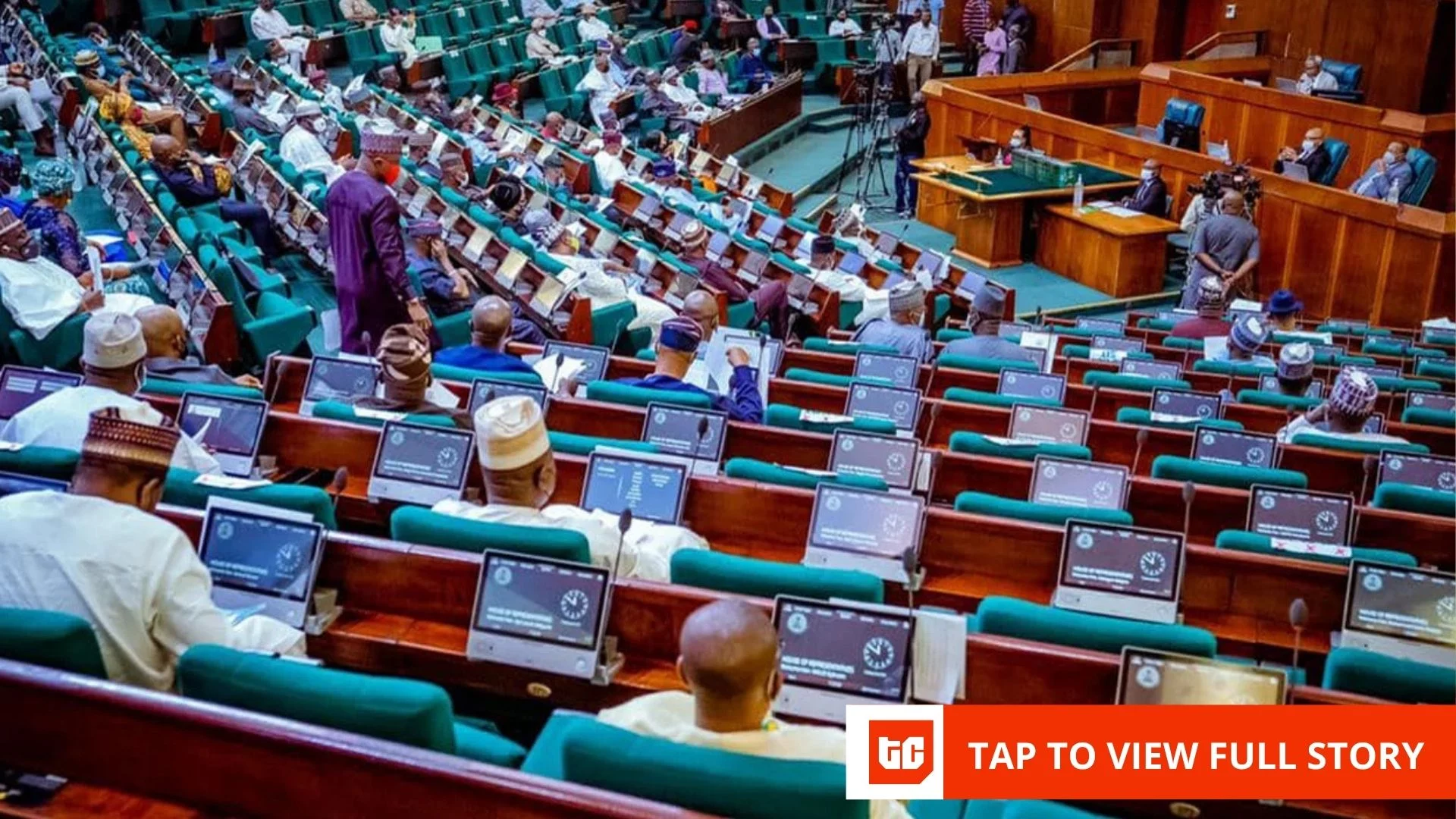
Leading Nigerian telecommunications carriers have petitioned the Federal High Court to clarify the limits of parliamentary investigative powers. According to TechCabal, the Association of Licenced Telecommunications Operators of Nigeria, along with MTN, Airtel, Globacom, and T2 Mobile, filed a legal petition in Abuja on November 4, 2026. The firms seek a judicial ruling on Sections 88 and 89 of the Nigerian Constitution, which define the scope of the National Assembly’s authority to examine public matters.
The central legal question is whether the legislature can force private firms to explain their network performance or if such oversight duplicates the work of the Nigerian Communications Commission. The carriers argue that as private entities, they do not manage legislative funds or execute laws passed by the assembly. They contend that the House’s focus on service standards may exceed the constitutional goals of lawmaking and exposing waste in public administration. The firms request a court order declaring the recent summonses an invalid use of power and preventing lawmakers from issuing arrest warrants to force executive attendance.
The conflict was triggered by summonses issued on October 29, which demanded that the firms' top executives attend a session of the House Ad Hoc Committee on Telecommunications Quality of Service. TechCabal noted that the committee previously rejected the industry association's attempt to represent its members, insisting that individual companies must answer for their own operations. Lawmakers defended their position by arguing that the regulator’s existence does not protect carriers from legislative scrutiny, particularly since the regulator’s own mandate comes from assembly-enacted legislation.
This lawsuit escalates a confrontation that began in late October. On October 21, the committee asked executives to address complaints about dropped calls, slow internet, and failed data transactions. After executives missed an October 28 hearing, lawmakers threatened to use arrest warrants. The new filing also references a 2018 lawsuit by the industry association against similar legislative summonses, which reportedly remains pending. The dispute occurs as the regulator reports that carriers compensated 75 million subscribers for poor service in 2026, yet consumer dissatisfaction persists.