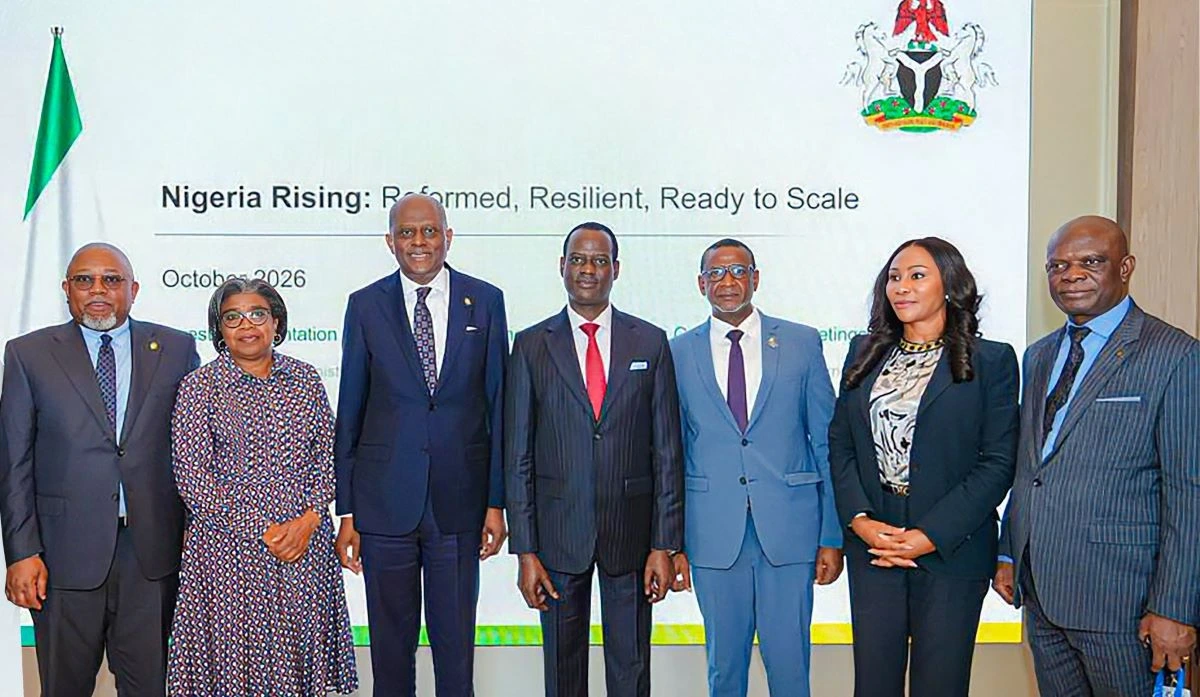
Taiwo Oyedele, Nigeria's top finance official, presented the "Nigeria Rising" narrative during the 2026 IMF-World Bank Meetings in Bangkok, Thailand. According to Nairametrics, Oyedele stated that the government is actively reshaping international perceptions of the country by highlighting its recent tax overhaul and broader economic management strategies. He described the initiative as a method to communicate domestic progress and challenge external assessments that he believes do not fully reflect the nation's economic trajectory.
The minister cited the comprehensive rewriting of Nigeria's tax framework within the last two years as a central component of this reform agenda. Nairametrics reported that Oyedele attributed growing interest from international stakeholders during the meetings to these ongoing structural changes. He argued that the combined effect of these administrative and economic adjustments is establishing a foundation for what he termed sustainable growth and shared prosperity for the population.
Regarding future performance, the finance chief stated that the government expects economic expansion to outpace the International Monetary Fund's forecasts of 4.3% for 2026 and 4.4% for 2027. He characterized the multilateral lender's forecasts as historically conservative and outlined a specific target of reaching a 7% growth rate. To achieve this, the government is implementing policies to resolve structural bottlenecks, curb price increases, and enhance the commercial landscape, according to the report.
Oyedele pinpointed expenses related to food, energy, and logistics as primary drivers of inflationary pressure. He explained that bringing inflation down to low single digits could enable single-digit interest rates, thereby improving business access to credit. Nairametrics noted that the minister highlighted the disparity between corporate growth rates, which can reach 30%, and the slower expansion of the wider economy. He suggested that lower borrowing costs would unlock further potential for investment and productivity.
The minister also pointed to improvements in the foreign exchange market, noting that the naira's performance had helped ease economic pressures. While the government targets 7% growth, the IMF recently raised its 2026 forecast to 4.2% in its World Economic Outlook, attributing the improvement to macroeconomic stability and favorable terms of trade. However, the Fund warned that higher prices for essential goods could still impact vulnerable households, creating a gap between the government's ambitious targets and the international institution's more cautious expectations.