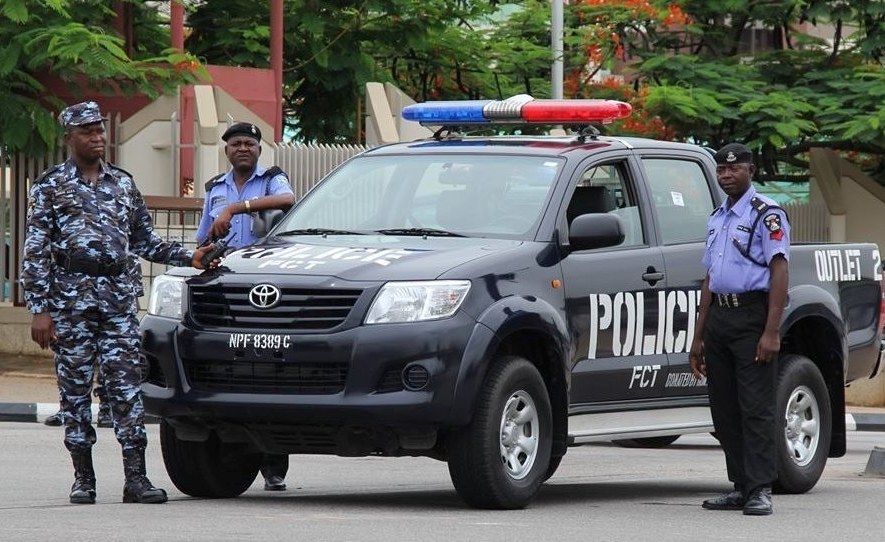
Nigeria has advanced a significant restructuring of its security architecture after 28 of its 36 state legislatures approved a constitutional reform this week. According to AllAfrica, the amendment permits each state to build its own law enforcement agency, a move that now requires presidential approval to become law. The reform follows the Nigerian Senate’s adoption of the proposal in June, which paved the way for states to maintain local forces alongside the existing national police based in Abuja.
Supporters argue that the current national system is overwhelmed by a protracted jihadist insurgency, banditry, and kidnappings. Habib Oladapo, a programme head at a Lagos media lab, told RFI that Nigeria is "desperately short of police officers," with fewer than 400,000 officers serving a population of over 200 million. He noted that local officers who understand community languages and terrain could perform duties more effectively than federal officers often assigned to unfamiliar regions. The goal is to integrate community self-defence groups into a formal police structure with appropriate training and equipment.
The federal police will not disappear under the new system. AllAfrica reports that the national force will retain responsibility for major security matters and hold the power to intervene when a state struggles to manage a crisis or when its local police exhibit serious misconduct. To prevent state governors from using police for partisan purposes, the proposed amendment includes safeguards prohibiting governors from directly ordering arrests or obstructing investigations. A new National Police Council is also planned to provide binding oversight when police commissioners deem a governor’s directive unlawful.
However, financial and political risks remain. Oladapo pointed out that some states already struggle to pay civil servants, making the financing of new police forces unclear. There is also a concern that state forces might replicate the corruption and lack of oversight found in the current federal system. If each state creates a distinct model, it could offer a different approach to law enforcement, but importing federal flaws directly to the state level poses a major problem. President Bola Tinubu is expected to sign the reform shortly, after which individual states will adopt legislation to govern their new forces.