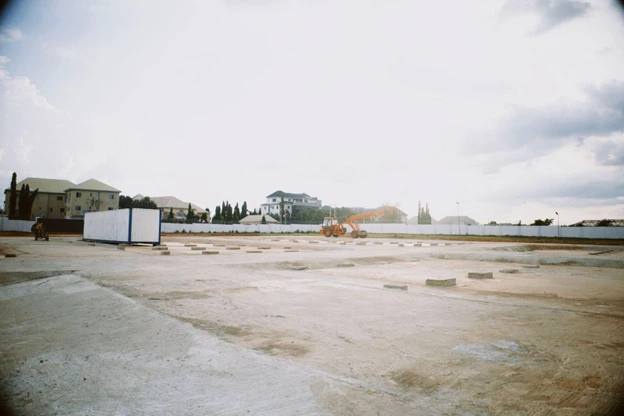
Sirlyon Limited’s subsidiary, TRÏNŪ Bonded Warehouse, has opened a customs-licensed logistics site in Kuje, Abuja. According to Nairametrics, the facility can store roughly 700 containers simultaneously and is designed to serve businesses in the capital and Northern Nigeria. The company projects that this infrastructure will yield more than 5,000 direct and indirect employment opportunities within a five-year period. The site allows importers to move goods under customs bond, storing and processing them closer to their final destination rather than relying solely on southern seaports.
Bilal Ajijola, the company’s chief executive, explained that the venture addresses the inefficiency of moving cargo to locations where it is not ultimately needed. He noted that bringing clearance processes nearer to the market reduces logistical friction. The facility offers storage, documentation support, and office space for regulatory agencies, aiming to alleviate pressure on Nigeria’s congested road networks. By consolidating these services in the capital, the operator seeks to improve the speed and cost-effectiveness of inland freight distribution.
Nairametrics cited Nigerian Ports Authority data showing that national port activity surged in 2025. Total cargo volume increased by nearly 25 percent, reaching 129.3 million metric tonnes, while container traffic climbed by 25.7 percent to exceed 2.1 million TEUs. Momentum persisted into 2026, with first-quarter throughput rising by 11.6 percent compared to the prior year. BusinessDay reported that by June 2026, the country had processed approximately 68.2 million metric tonnes of cargo and 815,236 TEUs, indicating sustained growth in maritime trade.
The expansion of port capacity has highlighted the need for efficient inland distribution. A 2026 report by the Sea Empowerment and Research Centre, referenced by The Guardian Nigeria, estimated that maritime inefficiencies impose annual costs on Nigeria ranging from ₦3 trillion to ₦5 trillion. Logistics delays add another 20 to 30 percent to cargo expenses, with over 70 percent of seaborne trade concentrated in Lagos. TRÏNŪ’s Abuja facility aims to mitigate these bottlenecks by facilitating faster container turnover, potentially supporting thousands of annual movements and stimulating related sectors such as trucking and insurance.