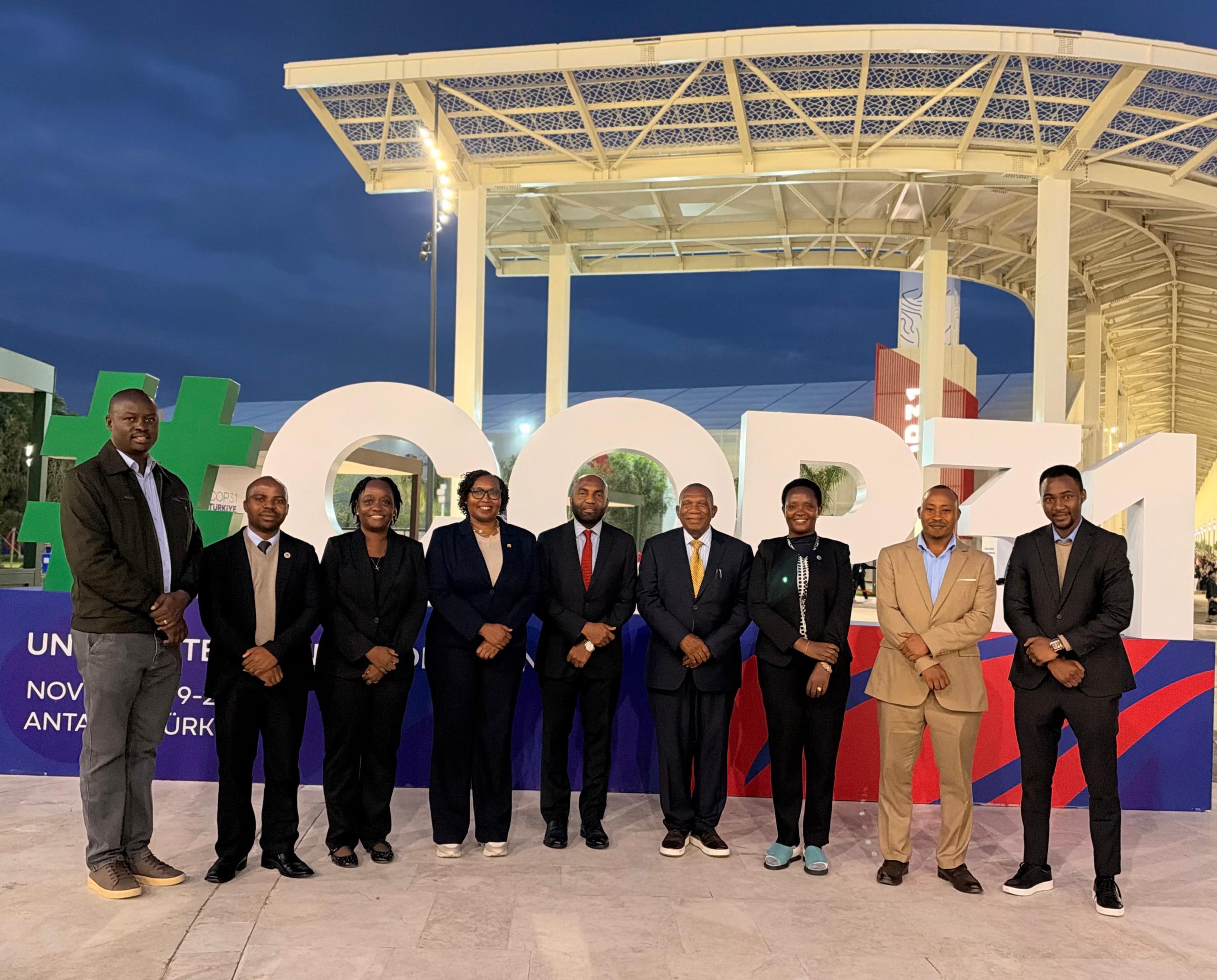
The National Environment Management Council of Tanzania has intensified its diplomatic efforts to secure international climate financing and technical support during the 31st United Nations Climate Change Conference in Antalya. According to Daily News, officials held bilateral discussions with global development partners to align external resources with national environmental priorities. The meetings aimed to mobilize expertise and modern technologies to bolster the country’s climate resilience and conservation efforts.
NEMC Director General Dr Immaculate Sware Semesi highlighted that securing financial resources and technical knowledge is vital for protecting the environment. She emphasized the council's commitment to converting these international opportunities into concrete actions that address climate impacts across Tanzania. The Minister of State for Union and Environment, Hamad Masauni, joined these talks, underscoring the government's unified approach to international cooperation.
A significant outcome involved the Adaptation Fund, which renewed its accreditation for another five years. The council also secured approval for initiatives focused on restoring Lake Babati and enhancing knowledge exchange. Additionally, the NEMC requested faster processing for proposals seeking roughly 30 million US dollars to support water management, ecosystem protection, and resilient economic activities.
Discussions with the African Development Bank centered on a coastal resilience project. The bank reaffirmed its support for an initiative whose concept note received approval in June 2024. This project aims to shield communities and natural habitats along the coasts of Mainland Tanzania and Zanzibar from climate-related threats. The council views this support as crucial for long-term environmental stability in vulnerable regions.
Further engagements included the Green Climate Fund, where the council focused on building institutional capacity to access finance. Talks with the United Nations Office for Project Services advanced an agreement on climate-induced mobility. Meanwhile, partnerships with iFOREST and the Zero Waste Forum targeted urban heat mitigation and waste reduction, signaling a comprehensive strategy for sustainable development.