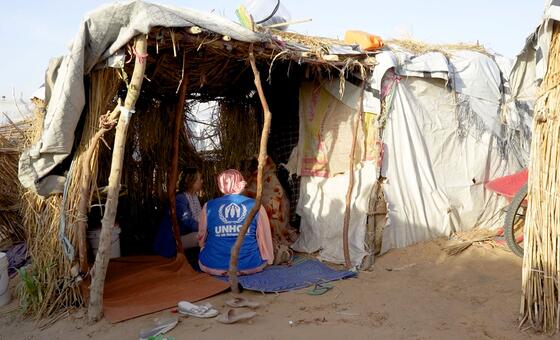
The United Nations refugee agency (UNHCR) reported on Tuesday that nearly 64,000 people have moved from northern Nigeria to neighboring Niger since the start of 2026. According to UN News, this exodus is driven by overlapping security crises in Nigeria, including jihadist insurgencies, armed banditry, and farmer-herder conflicts. The agency noted that several hundred additional refugees have also moved to Benin, creating a broader humanitarian challenge across the region.
Niger was already sheltering over 500,000 displaced persons before this latest wave, including roughly 327,500 from Nigeria. UN News detailed that approximately 1,200 people entered Diffa in south-eastern Niger in October, while another 3,400 crossed into Tahoua in the west. Diffa has seen more than 70 percent of the country’s security incidents this year, making conditions particularly harsh for newcomers. The influx is compounded by climate shocks, with drought and irregular rainfall devastating local agriculture and pastureland.
Humanitarian partners are reporting that recent arrivals, including many children, face severe living conditions marked by high malnutrition and limited access to clean water. UNHCR stressed that many families live in temporary shelters with poor hygiene, leading to widespread respiratory infections. A significant administrative challenge remains the registration process; only about five percent of the new arrivals have been documented due to funding constraints, leaving them vulnerable to protection risks.
Educational integration presents another hurdle, as children arriving from Nigeria’s English-based system must adapt to Niger, where Hausa is the sole official language. In some locations, the lack of schools or transitional classes further complicates this transition. Despite these strains, UNHCR’s Dominique Hyde described the response of Niger’s authorities and host communities as showing “remarkable solidarity,” noting that they are making land available for temporary shelter.
To address the growing gap in resources, UNHCR is asking for $11.4 million to expand emergency and solutions responses in Niger, Nigeria, and Benin. This includes a specific $2 million appeal for immediate critical needs such as water, food, shelter, and health care. Hyde warned that if funding does not increase, thousands of families may lack essential aid as displacement continues.