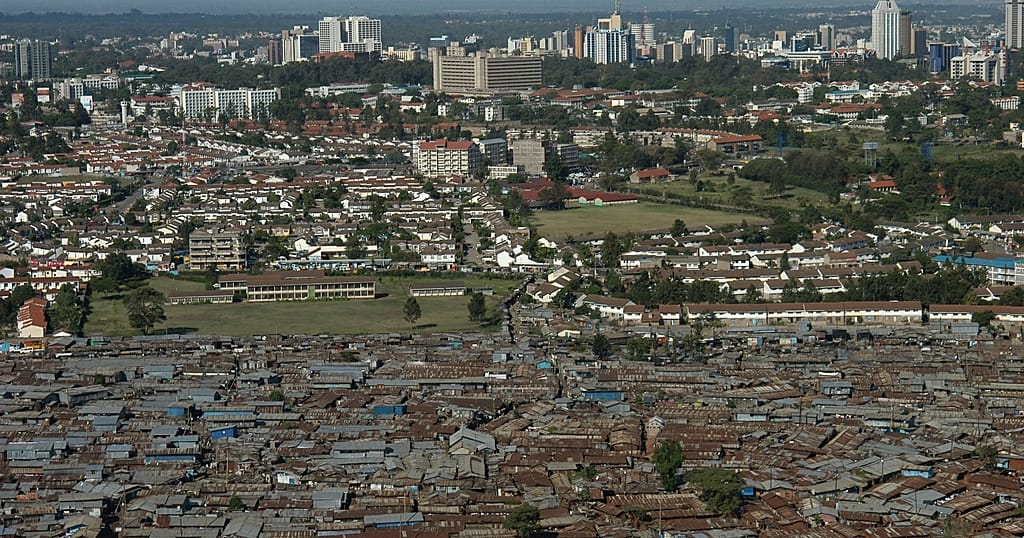
Nairobi is undergoing a severe transformation of its physical landscape as a massive construction boom accelerates the removal of trees across the city. According to Africanews, the push for wider roads and new infrastructure is directly contributing to the loss of green spaces that once defined the Kenyan capital. National data from Kenya’s Treasury shows the construction sector expanded by 6.8% in 2025, a sharp increase from 0.7% growth the previous year. This economic activity has translated into tangible changes, with heavy machinery frequently clearing vegetation to make way for urban expansion.
Demographic pressure is driving this change. Private building completions in Nairobi reached 25,090 units in 2025, reflecting a decade-long surge in residential development. Nickson Otieno, an architect at Niko Green, tells Africanews the city lacks extra land to accommodate its growing population. He argues development must be deliberate, distinguishing between conserved zones that should remain untouched and areas zoned for development where biodiversity preservation requires specific decisions. The current trajectory suggests the latter is often prioritized, leading to the clearance of existing trees.
The ecological consequences extend beyond the absence of trees. Rapid urbanization is altering the behavior and habitats of Nairobi’s wildlife. John Musina, an ornithologist, says birds have adapted to the changing environment by shifting from nesting in trees to perching on billboards and buildings. Musina emphasizes that bird populations serve as environmental indicators, meaning their displacement signals a broader decline in the urban ecosystem's health. The marabou stork, a common sight in the city, exemplifies this shift as it abandons traditional nesting sites for man-made structures.
Public resistance to these changes is growing. On October 27, 2026, the Environment and Land Court issued conservatory orders halting the construction of a car park at Nairobi National Park. This legal victory followed a lawsuit filed by 4,642 activists. However, Africanews reports that a spot check across the city reveals dozens of other public and private projects remain active, with tree felling continuing in various neighborhoods. Environmental law advocate Kelvin Kubai tells Africanews that over-ambitious developers view trees as obstacles rather than essential characteristics of the city. He asserts this disconnect is eroding Nairobi’s identity as the 'Green City in the Sun', a reputation compromised over the past decade by unchecked development.