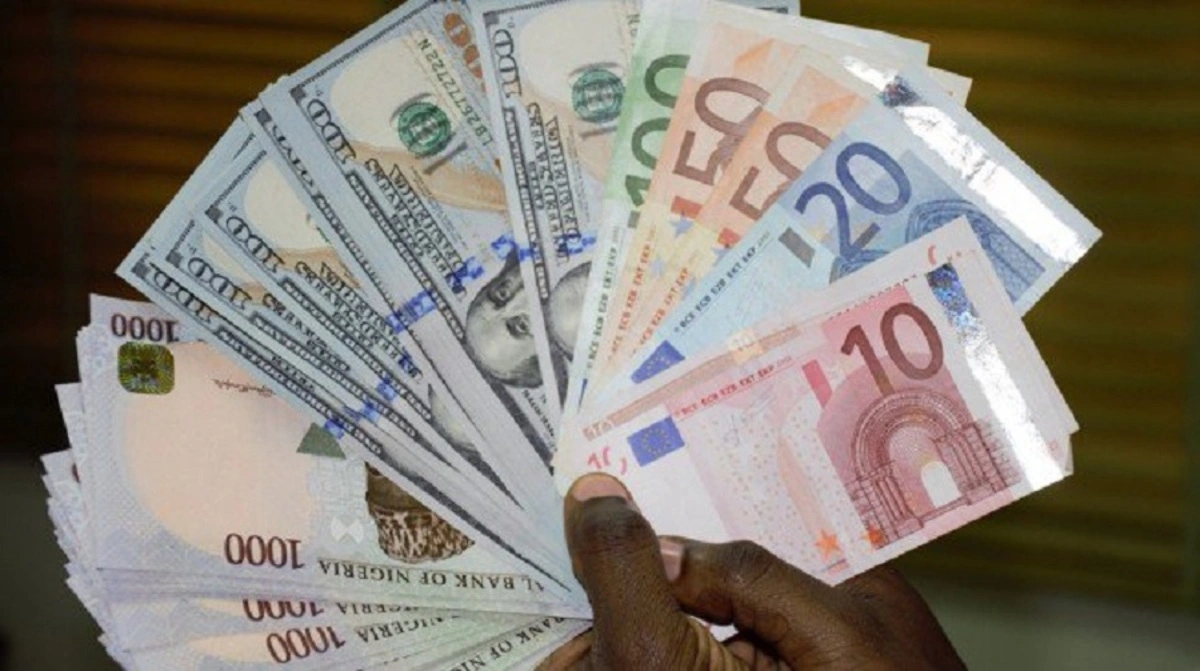
The naira settled at the N1,778 per pound level in the Nigerian foreign exchange market during the second trading session of the week, according to Nairametrics. The currency pair has remained within a narrow consolidation band over the past month, with the 90-day trading range extending from N1,749 to N1,841 per pound. Nairametrics noted that immediate resistance levels are situated between N1,785 and N1,790, while support is currently identified at N1,779.4, which corresponds to the day's low.
The stability of the naira against the pound coincided with a rise in the value of the British pound against the US dollar. Nairametrics reported that the pound reached $1.34 during the European market session on Wednesday. This appreciation was driven by UK Consumer Price Index data released for September, which indicated a year-over-year inflation rate of 3.5%. This figure surpassed the forecast of 3.4% and the previous August reading of 3.1%, leading to a hawkish market outlook for the Bank of England. Core inflation, which excludes volatile items such as food and energy, also rose faster than expected at 2.8% year-over-year.
Market participants cited by Nairametrics suggested that the Bank of England is likely to increase its bank rate by 25 basis points in November. Money markets are currently pricing in a prolonged hiking cycle, with some forecasts indicating the Federal Reserve could implement three additional hikes by the following summer. In contrast, the US dollar faced selling pressure due to speculation that the Federal Reserve might pause interest rate hikes at its upcoming meeting, alongside concerns regarding the sustainability of US AI growth.
Nairametrics explained that the Central Bank of Nigeria has maintained an aggressive monetary tightening cycle to control inflation and attract foreign portfolio investment. Nigeria’s gross foreign exchange reserves stand at $55.1 billion, with net foreign exchange estimated at $46 billion. The central bank aims to transition to a more transparent, market-determined exchange rate regime and reduce the disparity between official and parallel market rates. By sustaining higher yields on short-term government securities, the Nigerian Apex Bank has created attractive returns for offshore investors, which supports domestic dollar liquidity and the naira without depleting reserves.