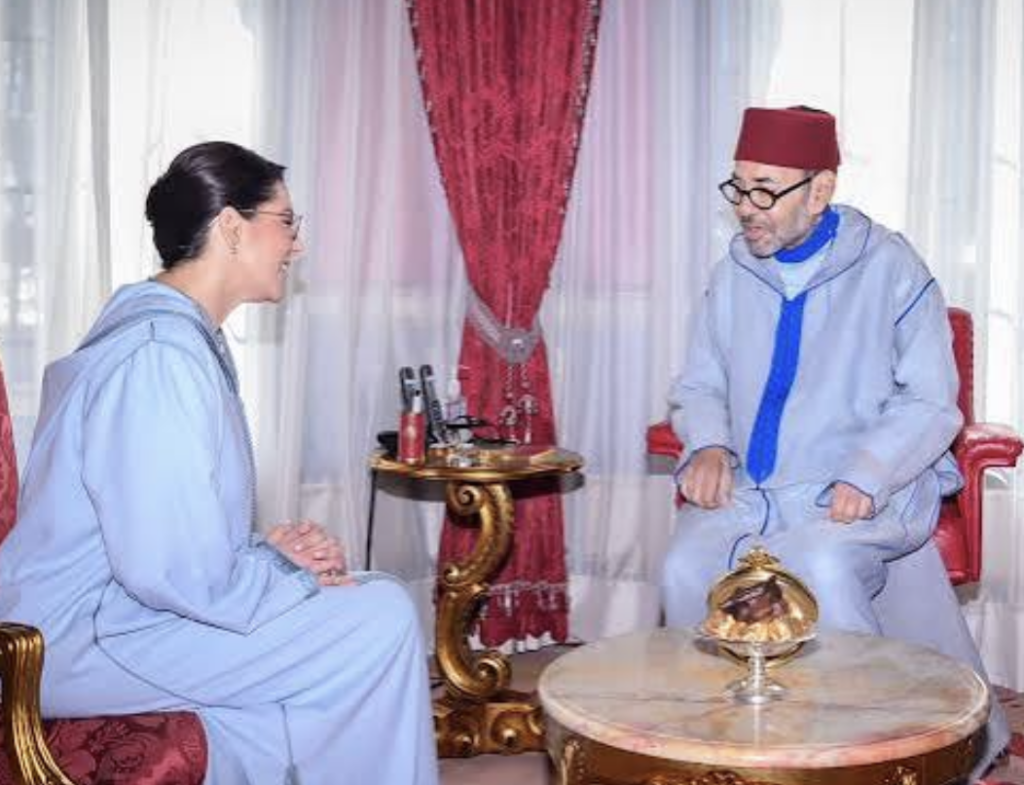
King Mohammed VI has named Fatima Zahra El Mansouri as Morocco’s first female prime minister, a decision that has intensified debate over the role of women in the country’s political leadership. According to MyJoyOnline, the appointment followed the September parliamentary election, where El Mansouri’s Authenticity and Modernity Party won the most seats. Her party subsequently formed a coalition with three other parties, securing a majority in the legislature. The new government operates within a constitutional monarchy where the monarch retains significant executive authority, particularly over defense and foreign affairs.
The appointment has not been universally welcomed. Mustafa Ramid, a former justice minister, questioned the move in a social media post, citing traditional Islamic views on female leadership. MyJoyOnline reported that local media outlets conducted street interviews, where several older men expressed hesitation, noting that the decision felt unusual despite being the king’s choice. Online, the appointment became a subject of political satire, with viral videos mocking potential parliamentary dynamics. However, younger Moroccans, particularly women, have largely embraced the milestone as a sign of progress.
El Mansouri’s tenure will be closely watched for her approach to the Moudawana, Morocco’s family code. MyJoyOnline noted that contentious issues such as inheritance, where daughters typically receive half the share of sons, and polygamy remain central to gender equality debates. The national body of religious scholars, the Higher Council of Ulemas, has historically resisted changes to these rules. Although a package of reforms was announced in 2024, they have yet to become law. El Mansouri, who previously served as minister for national territory planning, has not yet indicated whether she will prioritize these legislative changes.
Experts suggest the appointment serves broader political interests. Irene Fernandez-Molina, a scholar at the University of Exeter, described the move as "authoritarian state feminism," arguing it projects modernization while the political system remains largely unchanged. This view is supported by the low voter turnout in the September election, which official figures placed at 38% of registered voters. Women’s rights advocate Yasmina Benslimane noted that while the appointment breaks a glass ceiling, El Mansouri’s privileged background as the daughter of a pasha and diplomat distinguishes her from many other Moroccan women. For many observers, the true test will be whether her government translates its modernizing image into concrete legal reforms.