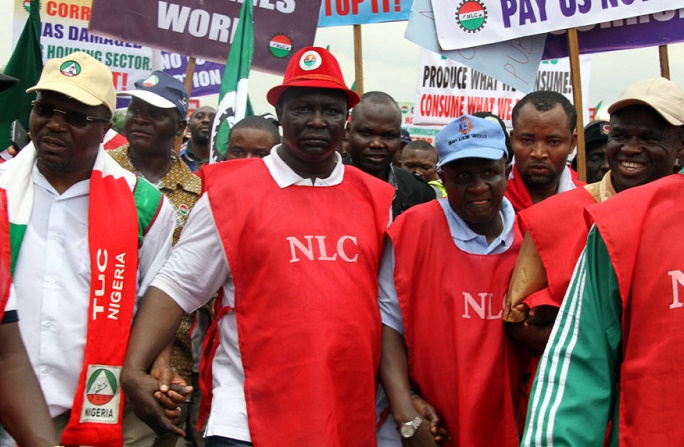
The Nigeria Labour Congress has kept its deadline for the federal administration active, pointing to higher petrol costs and the need for new pay discussions. Punch reported that the union believes the current N70,000 minimum wage no longer covers essential living expenses. Union head Joe Ajaero called for lower fuel bills and a fresh dialogue on salaries, while the state urged a compromise between employee welfare and its budget limits.
In another development, Punch noted a sharp drop in Nigeria’s position on a global travel index. The nation now sits at 181st among 196 countries on the IziVisa Passport Ranking Index, down from 90th in July 2026. This shift matches a reduction in visa-free entry points, which fell from 44 to 24 locations, showing a marked decrease in reported mobility for Nigerian travelers.
Head of state Bola Tinubu has also justified his choice to end petrol subsidies, claiming the country will not revert to the old policy. At a gathering backing his 2027 bid, Tinubu compared undoing the move to asking Moses to go back to Egypt. He argued that the nation was nearing financial collapse before the change, insisting he has no regrets about the shift.
Political moves for 2027 are also taking shape. Former Senate head Teslim Folarin has backed Sharafadeen Alli for the Oyo State governorship, signaling a step toward unity within the All Progressives Congress. Folarin, who once questioned the selection process, urged members to resolve disputes and requested a more equitable reward structure. Meanwhile, FCT head Nyesom Wike’s push for Tinubu has widened splits in the Peoples Democratic Party, with some state branches rejecting his Rainbow Coalition strategy.
Additionally, Peter Obi has responded to criticism about his comments to Nigerians overseas. Punch reported that Obi denied asking them to leave their families behind, a point that has triggered debate among opposition leaders. Detractors suggest that holding back remittances could worsen conditions for dependent households, while backers see the remark as a demand for political responsibility. These updates illustrate the continuing economic and political shifts in Nigeria as it moves toward the next vote.