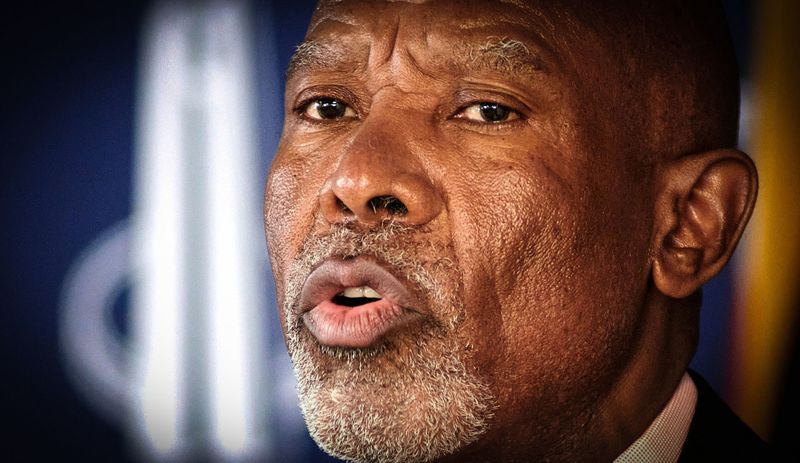
The South African Reserve Bank has maintained its benchmark repo rate at 7.25% for the sixth consecutive time this year, a decision reported by Daily Maverick that reflects a narrow split within the Monetary Policy Committee. Governor Lesetja Kganyago announced the pause in Pretoria on Thursday, noting that four committee members favored holding rates steady while three voted for a 25 basis point increase. The governor emphasized that the committee’s direction is clear, with disagreements limited only to the pace of future adjustments. He stated that the bank is mindful of risks and will not hesitate to raise rates if inflationary pressures intensify. This decision comes as the central bank navigates a complex economic landscape shaped by global geopolitical tensions and domestic price instability.
Inflation remains the primary concern driving the committee’s cautious stance. According to Statistics South Africa, the Consumer Price Index rose 5.2% in October, accelerating from 4.5% in September and marking the highest reading since May 2024. This figure significantly exceeds the Reserve Bank’s target range of 3% plus or minus 1%. Core inflation, which excludes volatile food and fuel items, also climbed to 4.2% in November. The committee flagged this trend as concerning, particularly given that transport costs, driven by petrol prices nearing R30 a litre, account for over a third of overall inflation. While some analysts noted that food price inflation has been contained due to good cereal harvests, the Reserve Bank warned that global agricultural price pressures could eventually trickle down to the domestic market.
The committee’s decision was influenced by shifting global dynamics, including the impact of the US-Iran war on fuel prices and recent US midterm election results. The MPC noted that financial markets viewed Democratic Party victories as a potential step toward ending the conflict, which temporarily lowered oil prices. However, the bank maintained a hawkish posture, comparing its strategy to firefighting before a blaze gains full force. Kganyago explained that the bank began acting before inflation even entered its tolerance band, stressing that waiting for second-round effects would be too late. The committee also highlighted that high inflation prints are expected to persist into early next year, though forecasts suggest a gradual decline as comparisons to pre-war fuel prices become less relevant.