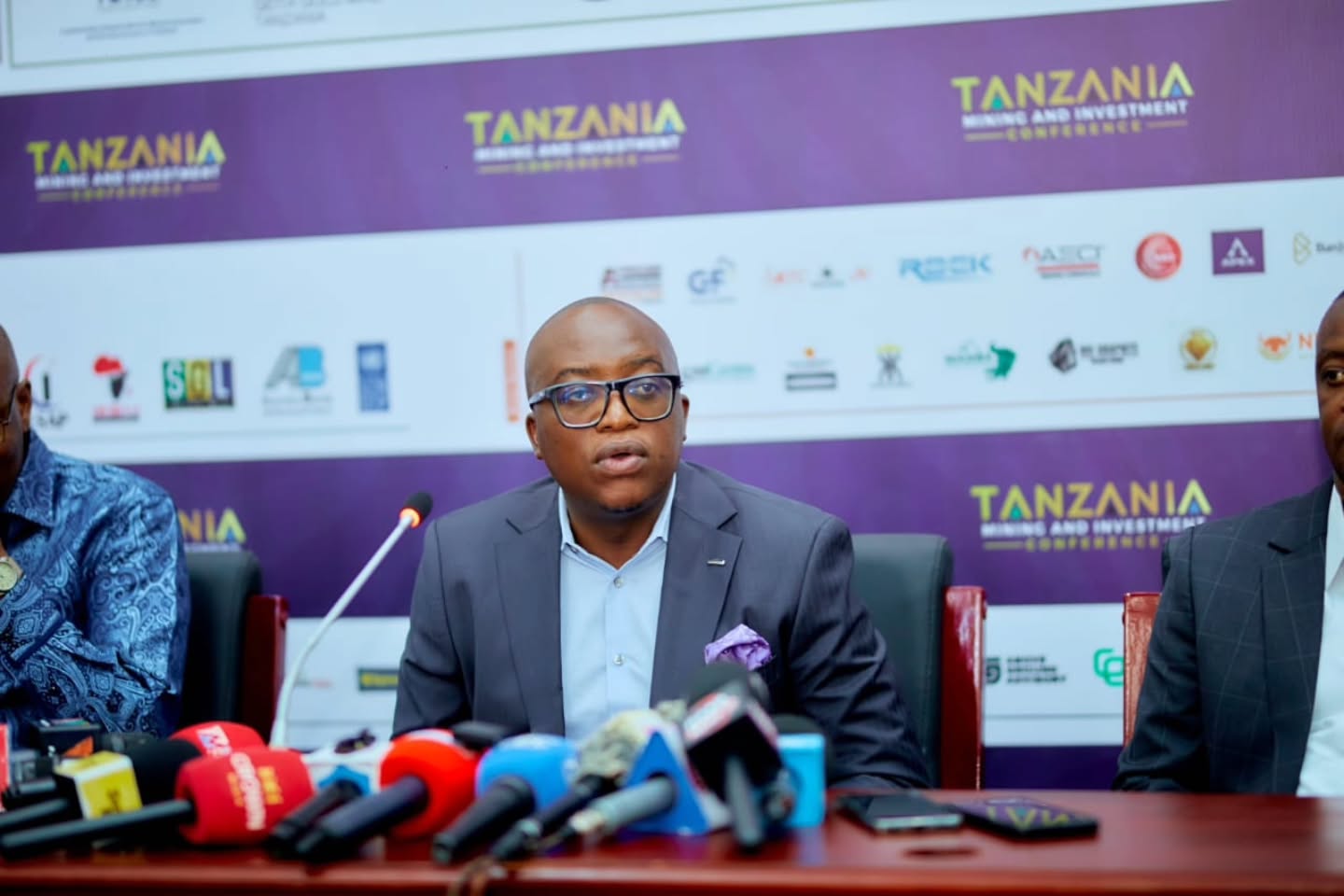
The mining industry in Tanzania has generated 604 billion shillings in government revenue during the initial four months of the 2026/2027 fiscal year. This collection rate stands at 103 percent of the 583 billion shilling goal established for that timeframe, according to Minister for Minerals Anthony Mavunde. The performance indicates a three percent surplus over the planned revenue ceiling.
Speaking on a programme aired by Tanzania Broadcasting Corporation, Mavunde noted that the administration aims to collect a total of 1.4 trillion shillings from the sector throughout the entire financial year. He described the industry as a fundamental driver of economic expansion, highlighting its role in generating non-tax income, bringing in foreign currency, and creating employment. The sector now accounts for 10.3 percent of the Gross Domestic Product, ranking as the second-largest foreign exchange earner behind tourism.
The economic advantages of mining extend to various service providers, including those in transport, hospitality, and catering within mining districts. To enhance domestic involvement, the government updated regulations that came into effect in 2024, replacing earlier rules from 2015. Under Section 138 of the Mining Act, license holders must prioritize local goods and services. If domestic suppliers cannot meet requirements, companies must partner with Tanzanians, ensuring at least 20 percent local participation.
Mining operations spend roughly 5.2 trillion shillings annually on supplies. The government seeks to keep more than 90 percent of this expenditure within the country by supporting local manufacturers. New rules prohibit exemptions for over 20 categories of goods and services, forcing purchases from domestic sources. This approach aims to reduce reliance on imports and strengthen local production capabilities.
The Buzwagi Special Economic Zone has been designated for industries producing mining inputs, attracting over 30 investment applications. Tanzania is advancing toward self-reliance in explosives manufacturing, with two plants already operating and a third under construction in Bagamoyo. Local firms like African Continental Buyers now produce conveyor belts and rollers, previously imported from South Africa, and supply them to mines in the Democratic Republic of Congo.