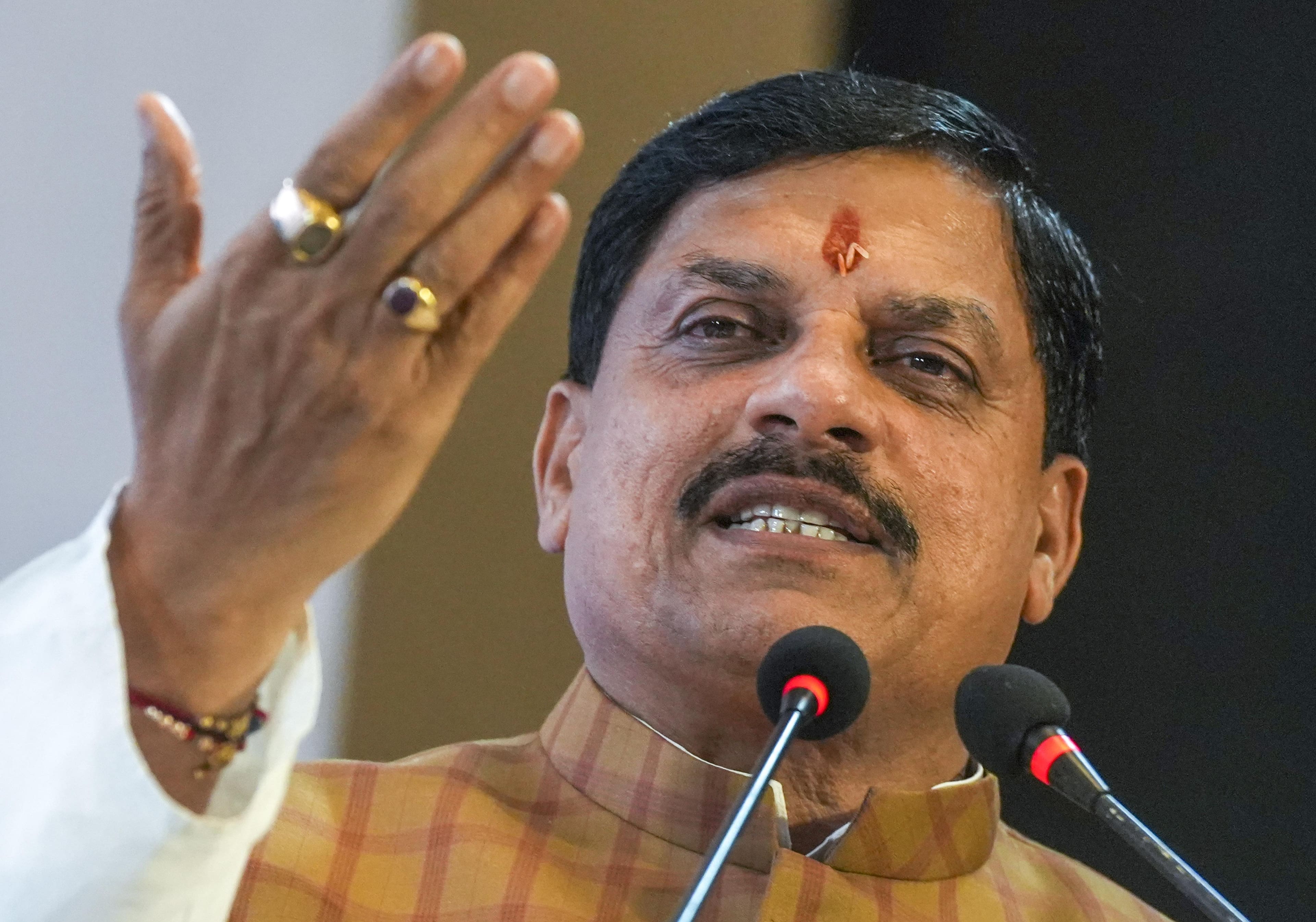
The Indian state of Madhya Pradesh has approved five new industrial parks to attract investment and generate employment. Business Standard reports that Chief Minister Mohan Yadav announced the decision after a Cabinet meeting, stating the projects will draw over ₹70,650 crore in investments. The government projects these developments will create more than 314,000 jobs, marking a significant push toward industrialization. This approval signals a targeted effort to expand the state's manufacturing base.
In North Africa, Morocco presented a national roadmap for its defense industry to King Mohammed VI. Hespress English reports the strategy aims to build an ecosystem meeting 40% of the Royal Armed Forces' needs by 2035. The plan targets 50,000 jobs and seeks to ensure 65% of sector revenue comes from exports. Known as the "Morocco Offer," the initiative builds on 2020 legal frameworks and focuses on high-value activities like drone production. The King called for swift implementation, including governance bodies and simplified investment procedures.
Meanwhile, Generation Ghana announced a five-year plan to secure 50,000 jobs for young people. MyJoyOnline reported the organization aims to address a gap where only one in ten graduates finds dignified work within a year. The group is expanding its Ghana Remote Online Work (GROW) initiative with the Mastercard Foundation, providing digital skills training in data analysis and cloud computing. Country Programme Director Dr Vandyck Lomotey stated the initiative has achieved a 70% placement rate within 90 days for participants.
The Ghanaian strategy relies on partnerships with institutions like the Meltwater Entrepreneurial School of Technology (MEST), which contributed nearly 1,000 trainees. Programme Director Olufemi Adewumi emphasized integrating soft skills into technical training, noting behavioral competencies must be modeled. "You can't teach people behaviour," Adewumi said, according to MyJoyOnline. Partners believe the target is achievable through collaboration to remove systemic barriers. These initiatives highlight a global trend toward targeted industrial and digital strategies to drive youth employment and economic growth across different regions.