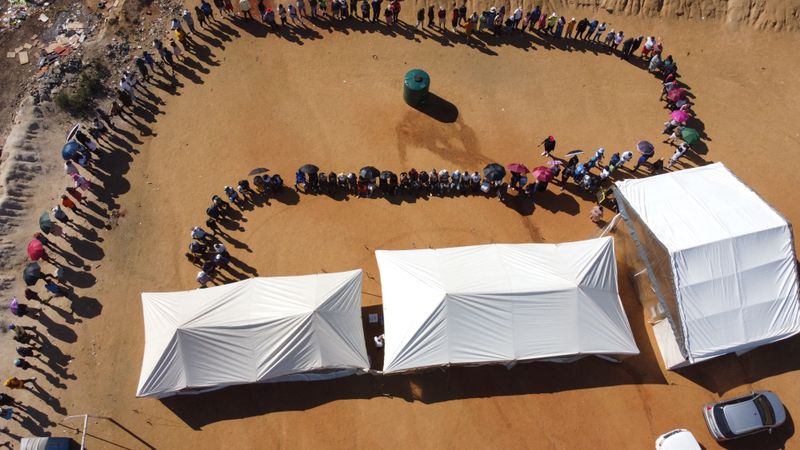
The Independent Electoral Commission confirmed on 8 November that 15.9 million South Africans cast ballots in the 2026 local government elections, resulting in a registered voter turnout of 52%. According to Daily Maverick, this figure exceeds the 45.86% turnout recorded in 2021, a period affected by the pandemic, though it remains below the 57.95% participation seen in 2016. While the national average climbed to 50.57% in 2026, up from 46.2% in 2021, the proportion of eligible voters who actually voted remained low. Market research firm Ipsos estimated that 44.9 million South Africans were eligible to vote, yet only 29.23 million registered, meaning approximately two-thirds of the eligible population did not cast a ballot.
Data from the Gauteng City-Region Observatory highlights significant regional disparities in voter engagement. Daily Maverick reported that suburban wards with strong Democratic Alliance support recorded the highest turnout, reaching 73.31% in Ward 85, which covers eastern Tshwane suburbs. In contrast, township wards such as Ward 24, which includes areas like Devland and Eldorado Park, recorded a turnout of 44%. Graeme Gotz, research director at the observatory, noted that this pattern mirrors trends from the 2021 elections, where Soweto wards averaged 40% turnout compared to over 60% in Johannesburg’s northern suburbs. In 2026, Soweto wards averaged around 50%, while wealthy Tshwane suburbs like Centurion reached 70% on average.
Gotz attributed the lower engagement in townships to a perception that local government is less important than national or provincial authorities, alongside lower satisfaction with municipal governance. Conversely, he suggested that suburban voters may be more motivated by concerns over property values and local service delivery. Although the higher turnout in suburban strongholds benefited the Democratic Alliance, Gotz cautioned that turnout alone does not explain the full shift in voter sentiment, noting significant support for ActionSA in many township areas. The Independent Electoral Commission’s figures indicate that while participation improved nationally, the gap between affluent suburbs and township wards remains a defining feature of the 2026 electoral landscape.