Lagos State has formally transferred regulatory oversight of its electricity market from the Nigerian Electricity Regulatory Commission (NERC) to the Lagos State Electricity Regulatory Commission (LASERC). This shift, executed under the Electricity Act framework, empowers the state to license operators, establish service standards, and create enforceable market rules for generation, distribution, and retail. The state has also established the Lagos Independent System Operator (LAISO) to coordinate these separated functions independently. According to Premium Times, the formal supply in Lagos currently remains below 1,000MW, despite significant economic activity powered by private self-generation. The new structure plans for fourteen operators and a six-fold increase in wheeling capacity to meet rising demand.
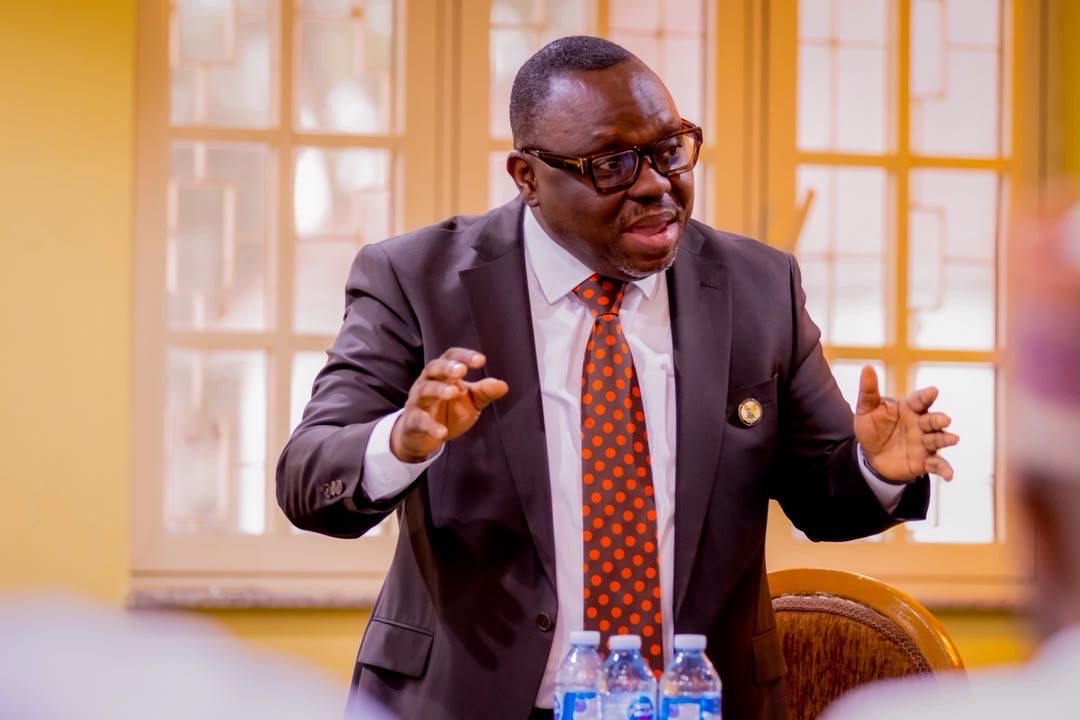
Biodun Ogunleye, the Lagos State Commissioner for Energy and Mineral Resources, told ENN that the primary difference is the ability to plan electricity around local economic realities rather than waiting for central allocations. The state intends to aggregate demand and structure power purchase agreements (PPAs) that are bankable for investors. Ogunleye emphasized that the focus is moving the market from "best effort" to "contractual obligation," ensuring operators have measurable duties regarding supply hours, metering, and reliability. He noted that "Transmission remains interconnected and gas supply crosses jurisdictions," meaning Lagos is not separating from the national grid but taking greater responsibility for its local segment.
The reform strategy involves three layers: reinforcing the transmission backbone with federal partners, opening networks to private capital, and implementing commercial reforms. Ogunleye stated that capital follows bankable cashflows, so the state is coupling infrastructure plans with market settlement and revenue assurance mechanisms. The goal is to create smaller, accountable operators rather than reproducing large monopolies. The state aims to attract infrastructure funds, development finance institutions, and private partners to invest in substations and embedded networks, recognizing that generation without transmission is a stranded investment.
Looking ahead, Lagos is targeting an electricity market capable of supporting 6GW and beyond. Over the next two to three years, investors are advised to watch for the mobilization of approximately 2,000MW of additional supply, progress toward universal metering, and the development of gas-to-power infrastructure. If successful, this model could serve as a proof of concept for other major economic centers in Nigeria, demonstrating how federal and state markets can coexist. The broader direction includes integrating renewables, storage, and distributed energy sources into a coordinated program that connects generation directly to productive local demand.