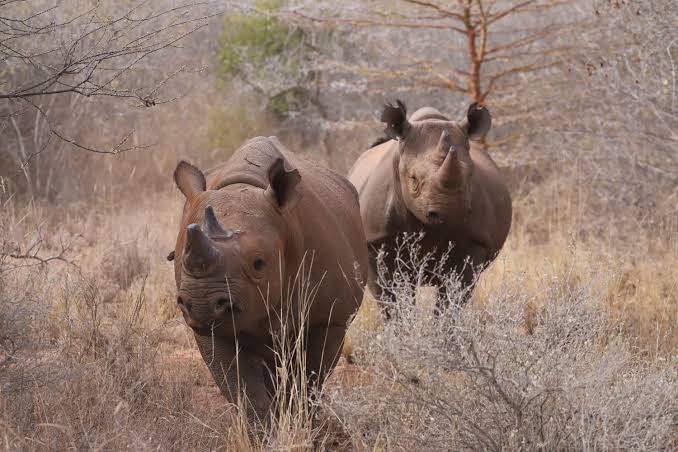
Tourist attendance at Mkomazi National Park in Tanzania has increased significantly over the past five years, according to Daily News. The number of visitors rose from 3,000 before 2021 to approximately 10,000 by September 2026. This growth coincides with the launch of a specific black rhino tourism programme designed to support the conservation of the species, which faces extinction risks.
Assistant Commissioner for Conservation Eva Mallya, who serves as the Chief Park Warden, stated that the surge in visitors is largely driven by the public desire to observe black rhinos. She noted that the park has actively promoted this attraction using the slogan, “Come to Mkomazi National Park, you are 99 per cent guaranteed to see a Rhino.” This marketing strategy emphasizes the high probability of viewing the animals at close range, a key draw for photography enthusiasts and wildlife tourists.
Beyond the rhinos, Mkomazi offers a diverse range of wildlife experiences. Mallya listed African wild dogs, elephants, lions, leopards, buffaloes, and giraffes as other major attractions. The park also supports more than 450 bird species, catering to birdwatchers. Visitors can engage in various activities, including day and night game drives, walking safaris, and camping, which diversify the tourism offerings available in the region.
Geoffrey Kyando, the Senior Warden in charge of Tourism Operations, highlighted the gerenuk, also known as the giraffe gazelle, as another distinctive feature of the park. He explained that this species is adapted to dry environments and rarely drinks water directly, obtaining moisture from plants. Kyando noted that Mkomazi is one of the few locations in Tanzania where tourists can reliably observe these animals, which favor the country’s northern dry zones.
The increase in visitor numbers illustrates the link between wildlife conservation and tourism revenue. By focusing on specific species like the black rhino and the gerenuk, the park has positioned itself as a key destination for those seeking unique biodiversity experiences in Tanzania.