KT Press has published a critical editorial arguing that the Democratic Republic of Congo’s government is misallocating its diplomatic energy by focusing on opposing Rwanda’s international partnerships instead of addressing severe domestic crises. The publication asserts that the Tshisekedi administration has become obsessed with Rwanda, spending significant resources on what it describes as a "bash-Rwanda" campaign rather than tackling persistent insecurity, chronic hunger, and a deadly Ebola epidemic in the central African nation.
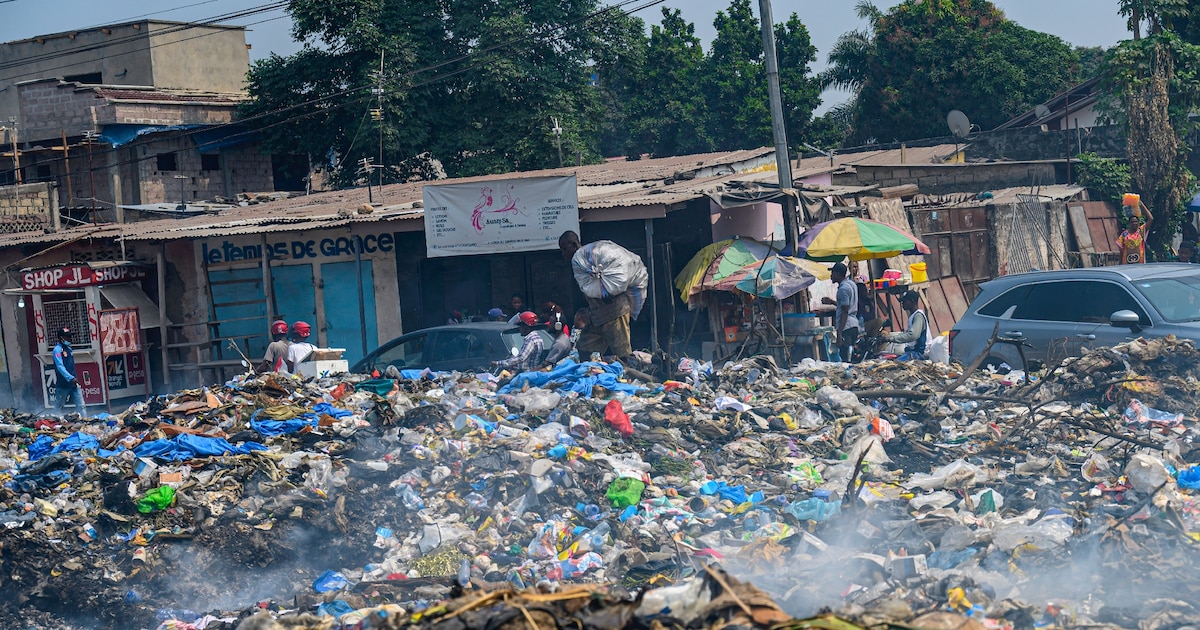
The editorial identifies a recent partnership between Kigali and five European nations—Germany, Austria, Denmark, Greece, and the Netherlands—regarding the resettlement of asylum seekers as the latest target for Kinshasa’s complaints. According to the report, the DRC government has chosen to challenge this sovereign decision by European states rather than confronting its own internal challenges. The publication notes that Kinshasa has a "garbage problem" and does not require billions of dollars to clean its capital, implying that the funds spent on diplomatic grandstanding could be better utilized for basic public services.
KT Press characterizes the Congolese leadership’s approach as a familiar pattern of complaints, accusations, and political theatrics that fails to deliver tangible results for citizens. The editorial questions how a government can find the time to challenge other countries over their migration policies while failing to neutralize armed groups in the east, rebuild public institutions, or create jobs. It argues that condemning Rwanda’s partnerships does not restore security in North Kivu and South Kivu or address the root causes of instability in the region.
The publication further suggests that the DRC regime mistakes controversy for leadership, engaging in an endless exercise of denouncing whatever Rwanda proposes or achieves on the international stage. Whether it involves economic cooperation, tourism, or sports diplomacy, Kinshasa appears determined to find reasons to oppose Kigali. The editorial states that this diplomacy of lamentation achieves nothing in the long run and raises serious questions about the soundness of mind of the country’s leaders.
Ultimately, the article concludes that the Congolese people deserve leadership that prioritizes their well-being and uses diplomatic resources to create opportunities rather than monitoring a neighbor. The publication argues that a serious state acts, negotiates, and builds partnerships to deliver results. It posits that the pressing question for the Tshisekedi administration is not what Rwanda is doing, but what Kinshasa itself is doing for the Congolese people to improve their living conditions and ensure national stability.