Iranian Foreign Minister Abbas Araqchi told domestic media on Sunday that Tehran’s plan to restore traffic in the Strait of Hormuz over a seven-day period remains open to Washington. According to Al-Monitor and Asharq Al-Awsat, the official made these remarks during a visit to Baghdad for an Organisation of Islamic Cooperation gathering. He noted that the US has shared feedback on the proposal, which Tehran is reviewing, but argued that the path to reopening the waterway is straightforward if American intentions are sincere.
The initiative was introduced in mid-September after a temporary truce broke down, as reported by Al-Monitor. Although Tehran confirmed it received a reply from Washington, Iran’s security chief indicated last week that talks had stalled because the US did not satisfy all seven requirements for reopening the strait. These prerequisites include removing the US naval blockade from Iranian ports, easing restrictions on crude oil shipments, and halting conflicts across the region, according to Asharq Al-Awsat.
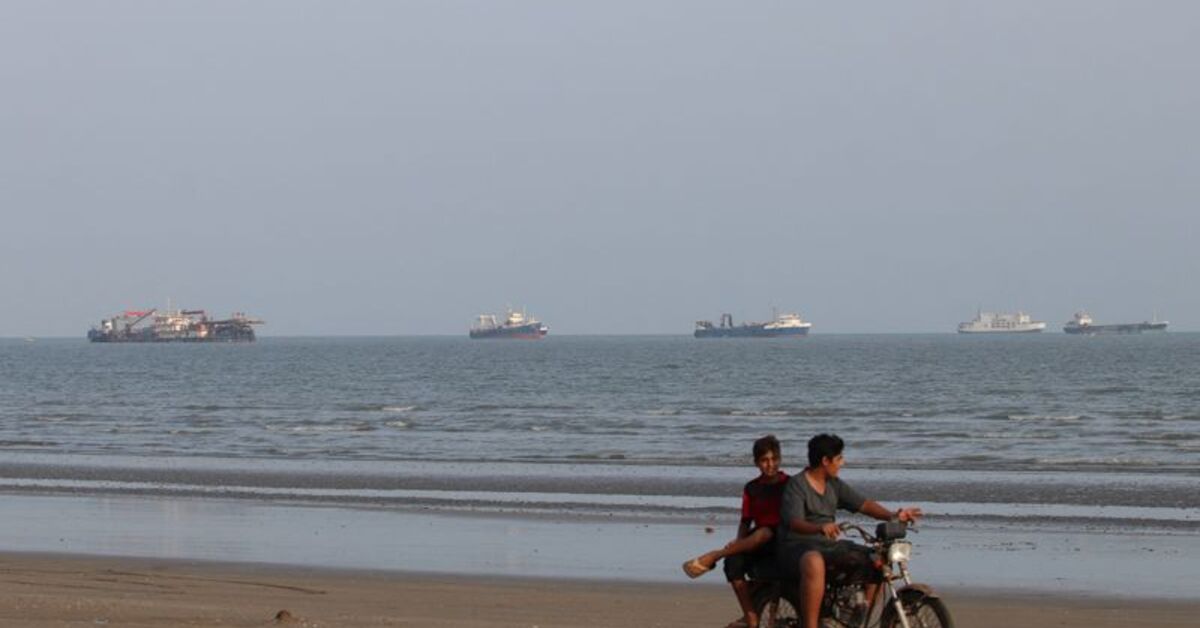
A major sticking point is the US desire to tackle Iran’s nuclear program early in the process. US Vice President JD Vance stated earlier this month that Tehran needs to significantly cut its uranium enrichment capabilities to meet American goals and conclude the eight-month conflict, per Al-Monitor. Conversely, Tehran believes the initial talks should concentrate on reopening the strait and securing the route. Before the conflict began, this corridor handled roughly one-fifth of worldwide oil and liquefied natural gas commerce, a statistic cited by Asharq Al-Awsat.
If Washington agrees to Tehran’s terms, Araqchi said the waterway could resume operations within six days, with diplomatic discussions restarting the next day. This diplomatic effort coincides with ongoing regional tensions. Khaleej Times reported that a Houthi projectile landed in the Saudi city of Najran, wounding six residents and damaging three homes and three cars. In a related event, a military AH-6i helicopter went down in the same area, resulting in the deaths of its two crew members due to a technical fault, according to the Saudi-led coalition spokesperson. These incidents have spurred closer coordination among Gulf neighbors, with UAE Vice President Sheikh Mansour bin Zayed Al Nahyan meeting Saudi Defence Minister Prince Khalid bin Salman in Abu Dhabi to discuss regional alignment.