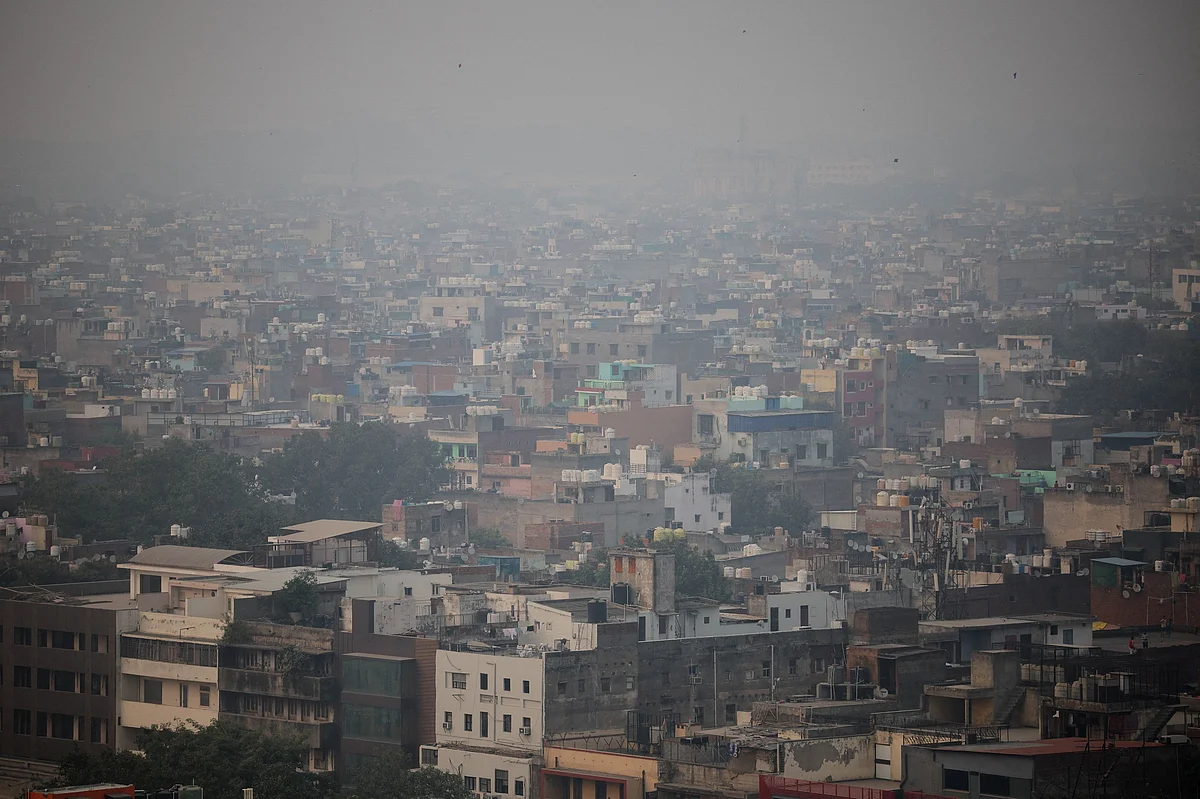
Delhi has surpassed Lahore in Pakistan to become the world's most polluted city, according to reports published on Friday. The Indian capital is currently experiencing hazardous air quality levels, with dense smog blanketing the metropolis of 20 million people. Visibility has dropped significantly, with videos showing cars and motorcycles emerging from thick fog that obscured streetlights on main roads. This development marks a shift in global air pollution rankings, placing the Indian capital at the top of the list for toxic air concentration.
Data from the Swiss monitoring group IQAir indicates that Delhi's Air Quality Index (AQI) reached 334, a level classified as hazardous. This metric is based on the concentration of toxins in the air. In contrast, India's Central Pollution Control Board reported a higher AQI of 403, rating the air as severe. The discrepancy between the Swiss and Indian readings stems from different methodologies and scales used to calculate and classify air pollution levels. Both figures, however, indicate conditions that pose significant health risks to the population.
Pollution in northern India and neighboring Pakistan is a seasonal issue that intensifies during the winter months. Cold, heavy air traps vehicle emissions, construction dust, and smoke from agricultural burning, creating a persistent smog layer. An AQI reading of up to 50 is generally considered good with little to no health risk, making the current conditions in Delhi particularly dangerous. The World Health Organization has previously highlighted the severe health impacts of such air quality levels, including respiratory and cardiovascular diseases.
The environmental crisis in Delhi has prompted calls for stricter emission controls and better public transportation infrastructure. Local authorities have implemented various measures to combat the smog, including banning construction work and restricting vehicle movement. However, the seasonal nature of the problem suggests that more comprehensive solutions are needed to address the root causes of air pollution in the region. The situation in Delhi serves as a stark reminder of the environmental challenges facing rapidly urbanizing areas in South Asia.