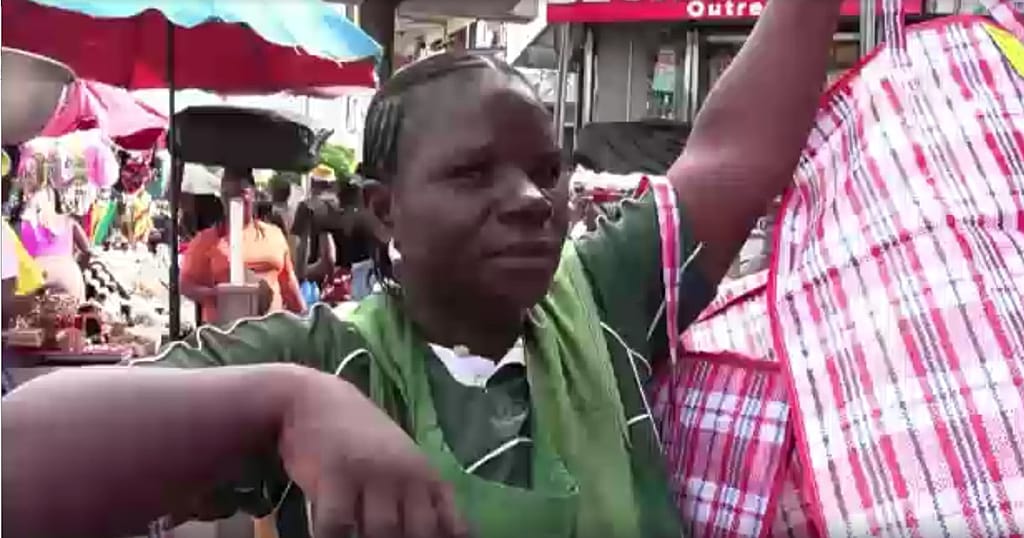
The red, white, and blue chequered bags known as 'Ghana Must Go' have transcended their origins as markers of forced migration to become a ubiquitous staple in West African daily life. According to Africanews, these bags are now utilized for storage, shopping, laundry, and moving, with modern variations featuring diverse patterns and images. While the original design remains recognizable, its function has shifted from a symbol of humiliation to a practical tool for millions of residents in the region.
The name derives from a specific historical event in the early 1980s, when the Nigerian government ordered the expulsion of undocumented migrants. Africanews reports that approximately one million Ghanaians were forced to leave Nigeria during this period, carrying their belongings in these striped bags. For older generations, the sight of the bag evokes painful memories of displacement. Bashiru Tahiru, a 70-year-old former port labourer in Lagos, told Africanews that he remembers packing his belongings into one of these bags as he prepared to leave. He described the item as a 'bad luck bag' and noted that he avoids using it because it served as a visible marker of migrants whom the nation had suddenly turned against.
Despite these traumatic origins, the bag’s cultural meaning has undergone a significant transformation. Kweku Darko Ankrah, a historian at the University of Ghana, told Africanews that the negative connotations associated with migration have largely disappeared. He described the item as a 'utility bag' that has been fully integrated into the region's material culture. This shift is evident in the bustling markets of Accra, where vendors like Agnes Ambomah actively sell the bags to customers who view them as high-quality, original goods rather than symbols of past suffering.
The bag’s aesthetic has also attracted the attention of the art and fashion worlds. Ghanaian artist Abdur Rahman Muhammad incorporates the bag’s distinctive pattern as a recurring background motif in his portraits. At his Accra studio, Muhammad explained to Africanews that in his work, the design represents resilience, hope, and the pursuit of dreams. This artistic reclamation was mirrored in the global fashion industry when luxury house Louis Vuitton released its own version of the bag in 2007. While the release sparked accusations of cultural appropriation and insensitivity regarding the bag’s connection to mass expulsions, Ankrah noted that it demonstrated how the item had transformed from a symbol of poverty to one of elite status.