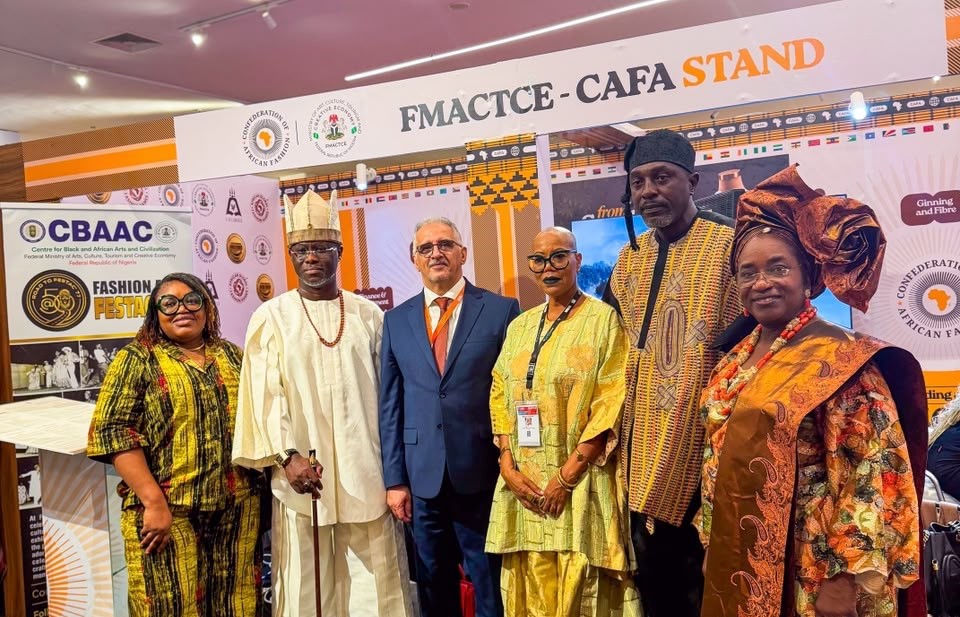
The Confederation of African Fashion (CAFA) has outlined a comprehensive strategy to expand the continent's fashion sector, aiming to increase its economic value from an estimated $60 billion to $500 billion by 2036. According to Premium Times, the organization presented this agenda during the Creative Africa Nexus (CANEX) WKND 2026 in Lagos, Nigeria. The discussions focused on the structural changes required to transform Africa’s creative economy into a globally competitive industry.
Despite possessing a large pool of designers and artisans, the sector faces significant hurdles. Premium Times reported that limited textile manufacturing capacity, inadequate infrastructure, and difficulties in accessing international markets remain critical barriers. CAFA stated that addressing these gaps is essential for creating jobs and retaining economic value within the continent. The organization argued that current challenges prevent the industry from fully realizing its potential.
A central component of the proposed solution is the Seed to Wear Programme, a 10-pillar roadmap designed to strengthen the entire fashion value chain. Reginald Ekeanyanwu, CAFA’s Mission Coordinator, highlighted the need to make large-scale manufacturing accessible to both emerging and established designers. The programme covers cotton cultivation, fibre processing, textile production, and distribution. CAFA asserts that developing these interconnected sectors will create a sustainable manufacturing ecosystem capable of meeting global standards.
Investment was identified as another critical factor for growth. The CANEX WKND business programme, which included a Finance Summit and Deal Room, brought together creative entrepreneurs, investors, and financial institutions. Premium Times noted that attracting capital requires looking beyond individual designers to the wider infrastructure needed for production and trade. Modernizing factories and introducing new technologies are seen as necessary steps to serve larger markets effectively.
Market access and regional cooperation form the final pillar of CAFA’s strategy. The organization is advancing this agenda through the African Fashion Industry Growth Charter, which seeks to promote policy alignment among African countries. This initiative aims to address barriers affecting manufacturing, investment, and trade across the continent. CAFA is also advocating for stronger industry standards, intellectual property protection, and improved distribution systems. The organization emphasized that achieving these goals will require coordinated efforts from governments, manufacturers, and investors to translate discussions into practical partnerships.