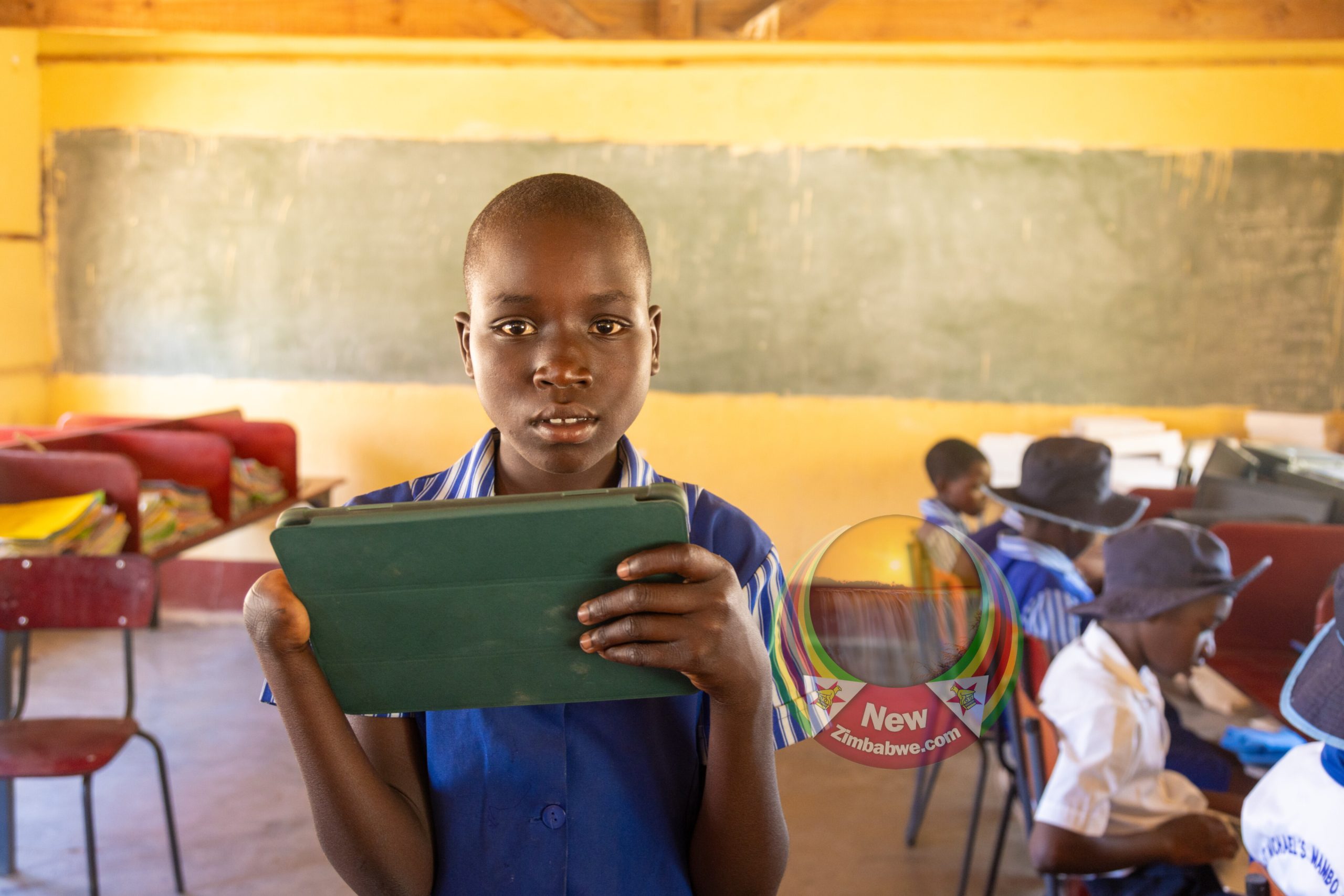
St Michaels’ Primary School in Zimbabwe’s rural Buhera District has integrated solar-powered digital technology, fundamentally altering the learning environment. The Ministry of Primary and Secondary Education, partnering with UNICEF and funded by the UK’s Foreign, Commonwealth and Development Office, implemented this solarisation initiative. The upgrade replaced traditional chalkboard methods with computers, tablets, and projectors, providing reliable electricity in an area previously disconnected from the national grid.
For students with physical disabilities, the shift to digital tools has provided critical independence. Nenyasha Mukomba, a twelve-year-old Grade Five learner born without a right hand, previously struggled with the pain of writing with her left hand. She now types assignments on computers, a process she describes as significantly easier. Headmaster Denford Bhasvi noted that teachers no longer need to arrive early to prepare chalkboard lessons, as they can now prepare materials at home on computers. This change has also reduced exposure to chalk dust, a health concern previously cited by Grade One teacher Rudo Mapfunde.
The introduction of e-learning has improved academic engagement. Eleven-year-old Beverly Chimombe stated that digital resources helped her grasp Mathematics, Science, and Social Science more effectively. Headmaster Bhasvi believes this technological integration is narrowing the education gap between rural and urban schools, ensuring that students in remote areas access the same materials as those in Harare. He anticipates that these improvements will eventually double the school’s examination pass rates, although this outcome depends on the continued integration of technology into daily teaching.
Beyond the classroom, the solar installation has extended benefits to the wider community. Teachers’ residences now have electricity for lighting and device charging, while tower lights have improved campus security. The school has also become a community resource centre, allowing residents to access the internet for research, job applications, and basic computer skills training. Ministry of Primary and Secondary Education Communications Director Taungana Ndoro emphasized that this initiative is part of a broader government strategy to expand digital learning infrastructure in remote areas, complemented by the distribution of over 8,000 Starlink kits nationwide.