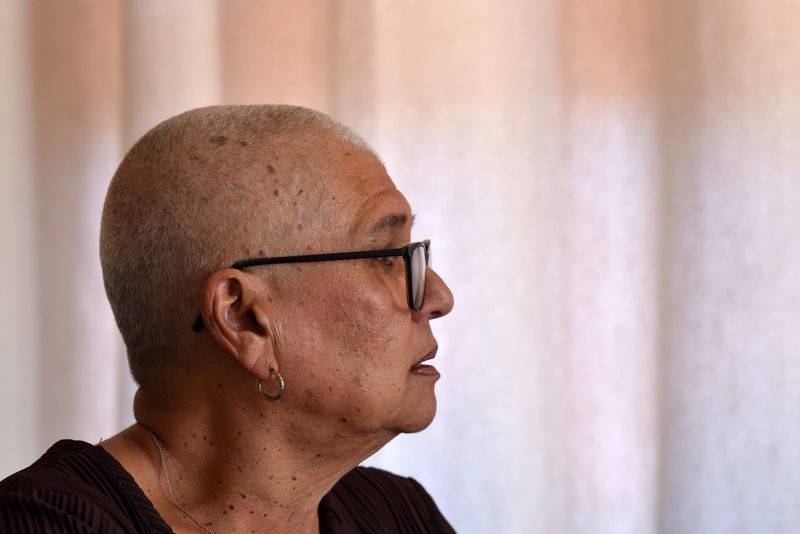
Charmaine van den Berg, a 70-year-old resident of Gqeberha, turned to public crowdfunding to fund a private CT scan after both scanners at Livingstone Hospital failed during her breast cancer treatment. Daily Maverick reported that van den Berg was diagnosed on 11 September, shortly after discovering a lump in August. When she returned to the hospital on 8 October for imaging to determine the extent of her disease, she found the emergency scanner broken and the main scanner also out of service. Without medical aid, a private scan could cost up to R25,000, a sum difficult for a recipient of a social grant. Her family raised enough funds to pay a R7,000 deposit for a private scan, allowing her to proceed with treatment while the public facility struggled with technical faults.
Livingstone Hospital CEO Tembisa Notshe confirmed that the emergency department’s scanner broke down on 5 October due to a technical fault requiring component replacement from overseas. Notshe stated the scanner was returned to service on 4 November, noting that the hospital’s older oncology scanner is also nearing the end of its serviceable life. During the outage, the hospital referred approximately 26 patients to Bay Radiology for emergency scans, covering the costs. Notshe disputed that delays caused adverse outcomes, claiming no deaths or permanent disabilities were linked to the imaging gaps. Public Protector Kholeka Gcaleka visited the facility on 22 October and described the tertiary hospital as having a serious problem of governance, leadership, and management.
The breakdown has highlighted administrative challenges within the Eastern Cape public healthcare system. Van den Berg, who recently completed her first round of chemotherapy, expressed concern for other patients in critical condition who rely on the public system. She noted that cancer can spread to bones, liver, kidneys, and brain, making timely imaging essential. Notshe indicated that the manufacturer of the faulty scanner has committed to supplying a new mobile CT scanner within three months at no cost. Additionally, the FNB Foundation is redirecting a donated CT scanner to benefit the hospital’s services after an initial contract for a similar machine was awarded elsewhere. Van den Berg’s experience illustrates the financial burden placed on patients when public diagnostic infrastructure fails, forcing them to seek private alternatives to maintain their treatment schedules.